MakarovSuites
English
EnglishDeutschРусскийУкраїнськаFrançaisEspañolItalianoPolski
Contact & licences

Astronomy

The dust that lights the zodiac

Look across a flattened dust cloud. Change grain scattering and the observer’s height to see why the glow is concentrated near the ecliptic.
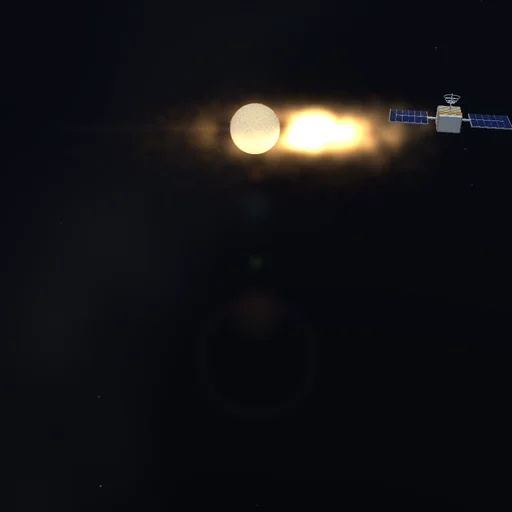
The dust that lights the zodiac — Actual application image
Actual application image

The model and its limits

Optically thin single-scattering dust with an analytic density law. Phase function and disk shape are illustrative; no absolute photometric calibration.

Equations used in the module
Equations
p(μ) = (1-g²)/(4π(1+g²-2gμ)^(3/2)); ρ ∝ r^(-1.3) exp(-|z|/(0.12r))
Related experiments

Back to catalogue
The planet-building disk — Actual application image

Astronomy

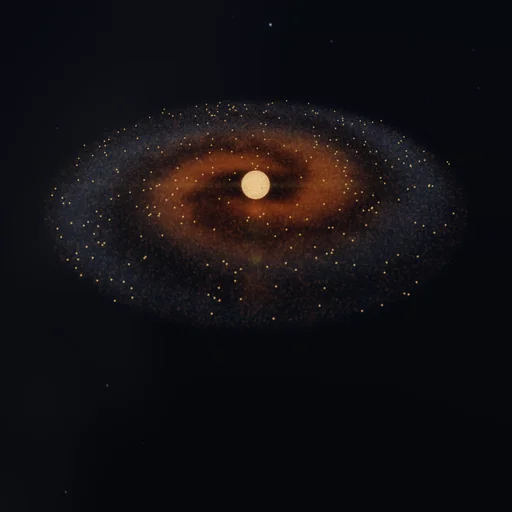
The planet-building disk

Compare dust and gas. Change the Stokes number and watch which grains drift fastest through a pressure-supported disk.

One face toward a star — Actual application image

Astronomy

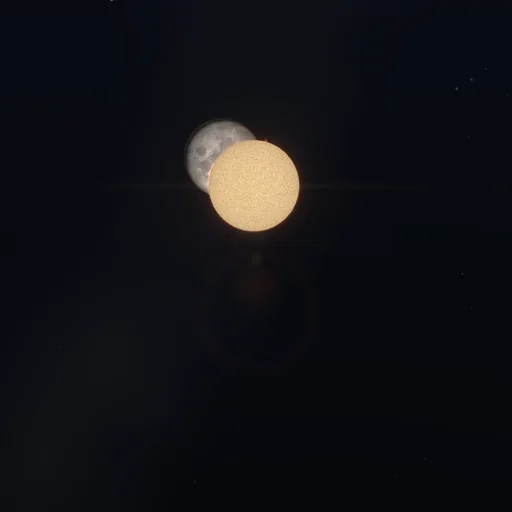
One face toward a star

Dissipate a planet’s excess spin and follow a surface marker. Compare fast and weak tidal damping as the day approaches the orbital period.

Jets on a giant planet — Actual application image

Astronomy / Earth

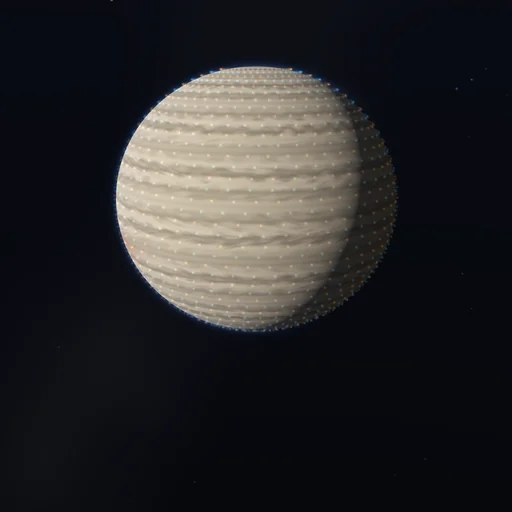
Jets on a giant planet

Change planetary rotation and wind speed. Compare the Rhines scale with the width of the coloured latitude bands and follow advected tracers.