Available for Windows
Makarov Astronomy Suite
120 interactive modules in six rings connect planets, stars, galaxies and cosmology with observation and spaceflight. Follow an orbit, inspect a star’s changing behaviour, explore a black hole or take control of a machine working beyond Earth.
120 modules · Page 1 / 6
Released on 1 November 2026. Explore 120 interactive astronomy modules, from planetary rings to black holes and spaceflight.
Physics / Astronomy
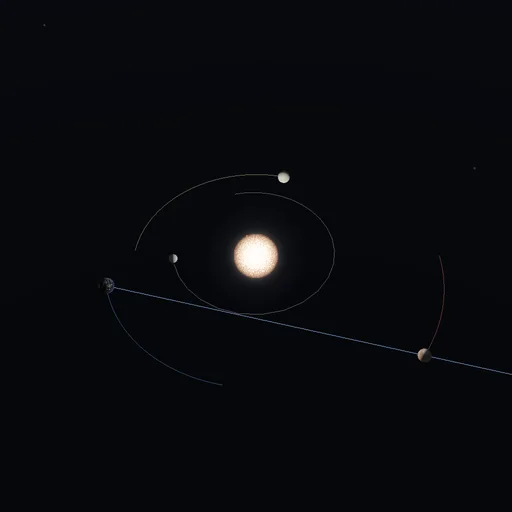
Retrograde motion
Ptolemy vs Copernicus: the same planets, two frames. Pin the Earth and epicycles appear by themselves - Mars walks backwards once per synodic period.
Astronomy / Earth
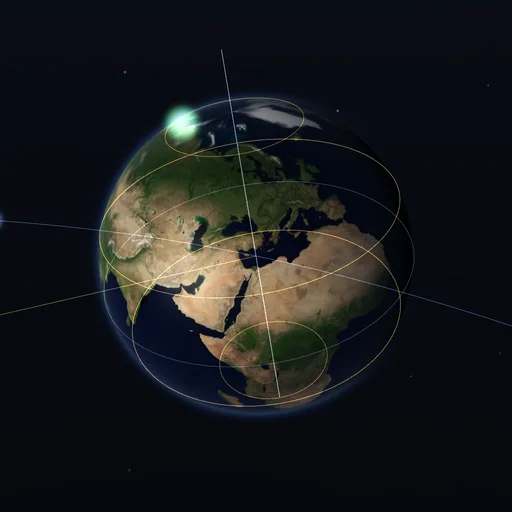
Seasons and obliquity
Why summer is warm: not because the Earth is closer to the Sun (it is closer in January) but because the axis leans, and a leaning hemisphere gets a higher Sun for longer. The Earth on its orbit with its axis fixed in space, lit from where the Sun is; an observer at any latitude with the day's Sun arc over the horizon; day length, noon altitude and daily insolation from the geometry, and the two hemispheres through the year.
Astronomy / Earth
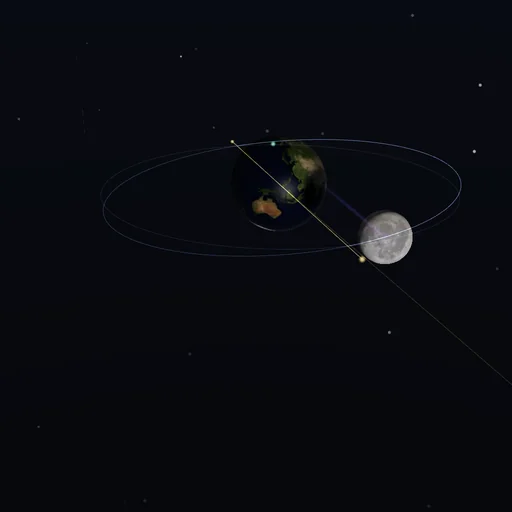
Eclipse geometry and Saros
Why a new moon is usually not an eclipse, what decides total against annular, and why the pattern repeats every eighteen years and eleven days. The Moon's orbit tilted 5° with its line of nodes, the umbra and penumbra as cones that reach the Earth or fall short, an observer at any latitude who sees the discs at their true sizes, and a table of the run's eclipses with the one a Saros later beside each. An idealised orbital model - circular orbits, mean motions - so it explains eclipses and dates none.
Astronomy
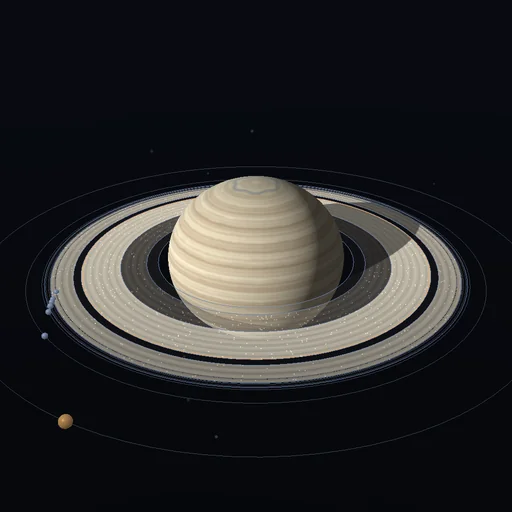
Saturn's rings
A ring is not a disc: every particle keeps its own Kepler period, so the inner edge laps the outer and any pattern shears away. Where the gaps are is a separate question, and the resonance circles answer it.
Astronomy
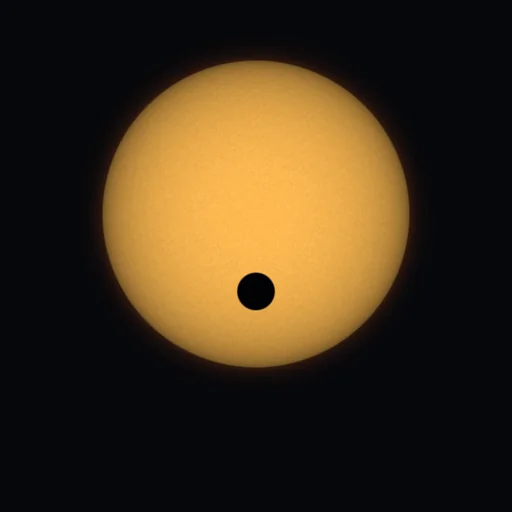
Exoplanet observatory
Reveal an unseen planet with transit photometry and stellar radial velocity. Record noisy observations, infer radius and mass, and explore the limits of those inferences.
Physics / Astronomy / Earth
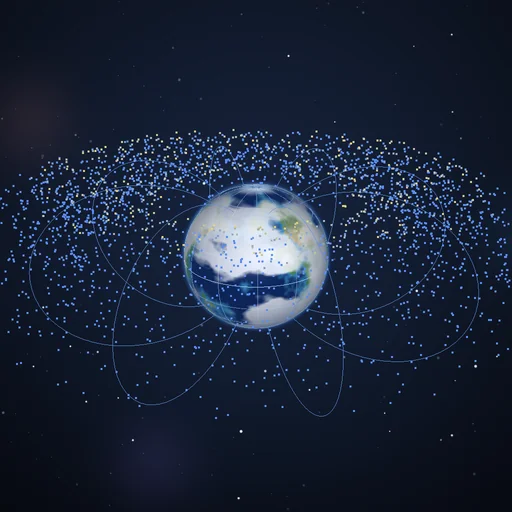
Aurora (magnetosphere)
A charged particle on a real dipole field line: it either mirrors before reaching the atmosphere, or precipitates - decided entirely by its pitch angle.
Astronomy / Earth
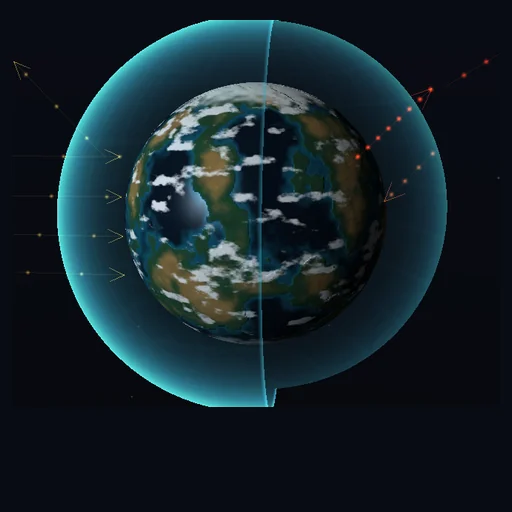
Planetary energy balance
A 3D planet, sunlight and infrared paths, and a measurable energy budget. Change the atmosphere and follow surface warming or cooling.
Astronomy / Earth
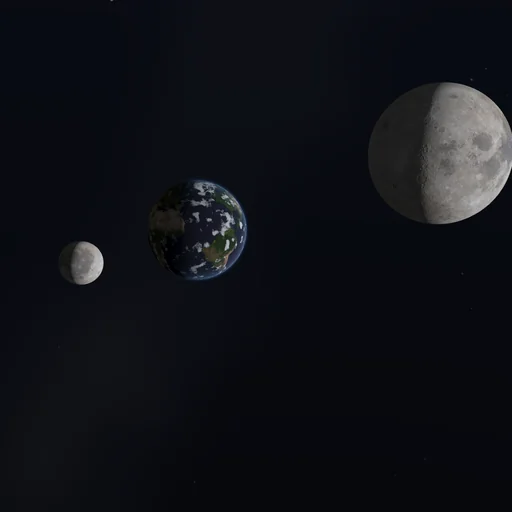
Moon phases and the terminator
Move through a lunar month. Compare the illuminated fraction seen from Earth with the Sun–Earth–Moon geometry.
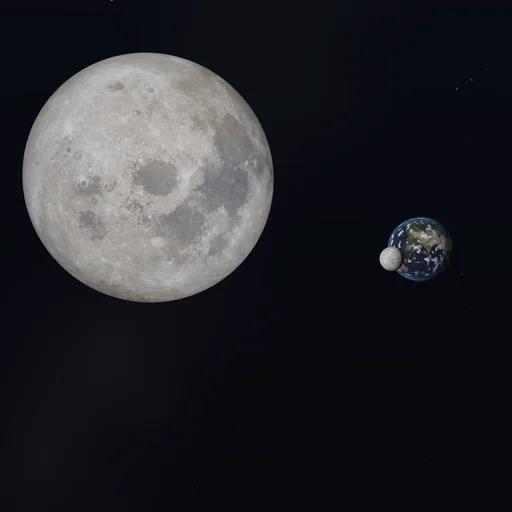
Astronomy
The Moon’s hidden edges
Increase orbital eccentricity and follow the difference between uniform rotation and nonuniform orbital motion. Surface markers reveal the rocking.
Astronomy / Earth
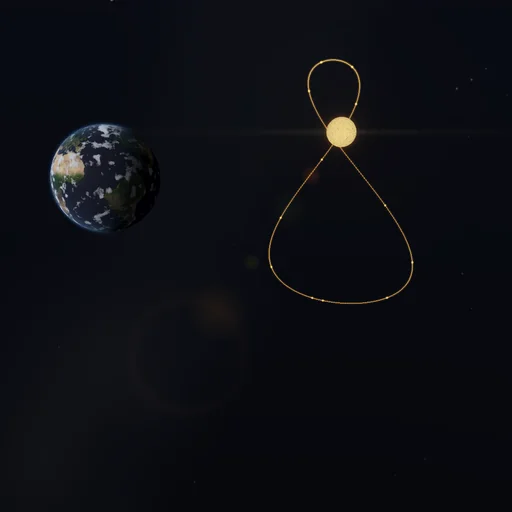
A year written by the Sun
Trace the Sun at the same mean solar time throughout a year. Remove tilt or eccentricity to discover the two sources of the figure eight.
Astronomy
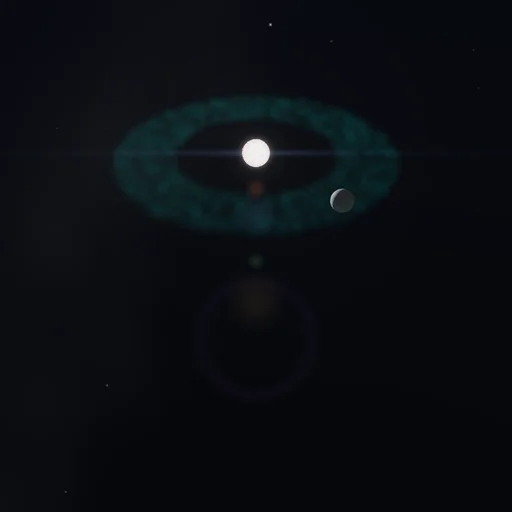
Worlds in the habitable zone
Move a planet through the stellar radiation field. Compare absorbed and emitted energy as stellar luminosity and cloud reflectivity change.
Astronomy / Earth
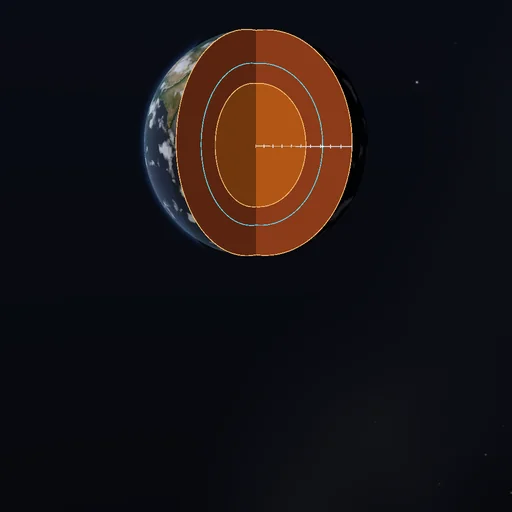
Inside planets and the Sun
Probe a calculated rocky planet, or explore reference cutaways of the Sun and the four giant planets.
Astronomy / Earth
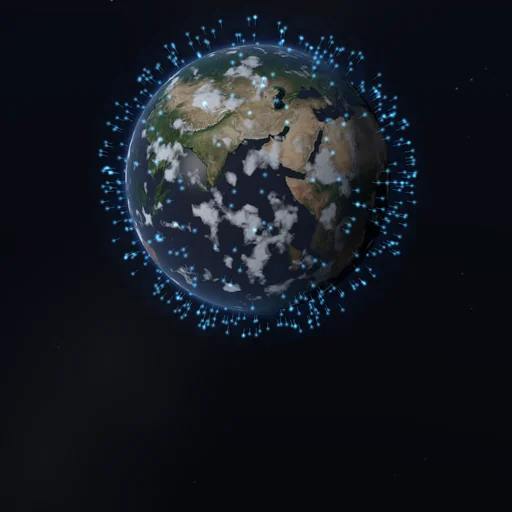
When an atmosphere escapes
Heat the exobase and switch molecular mass. Compare the escape speed with the thermal velocity distribution and the Jeans escape parameter.
Astronomy
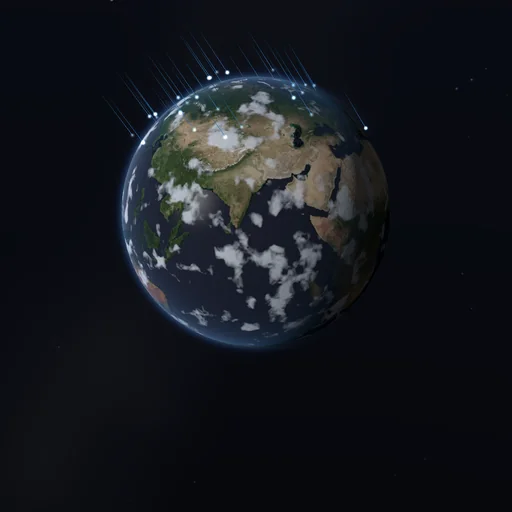
Flying through a meteor stream
Fly Earth through a comet’s debris stream. Increase the entry velocity and watch parallel paths converge toward a common sky radiant.
Astronomy
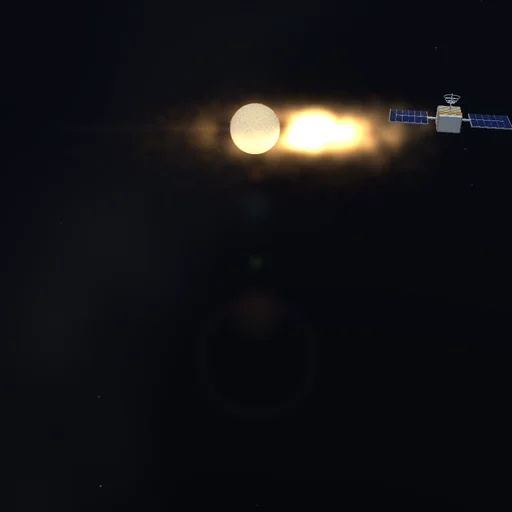
The dust that lights the zodiac
Look across a flattened dust cloud. Change grain scattering and the observer’s height to see why the glow is concentrated near the ecliptic.
Astronomy
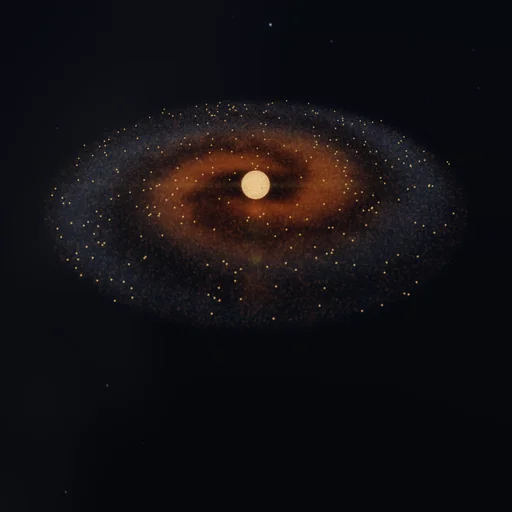
The planet-building disk
Compare dust and gas. Change the Stokes number and watch which grains drift fastest through a pressure-supported disk.
Astronomy
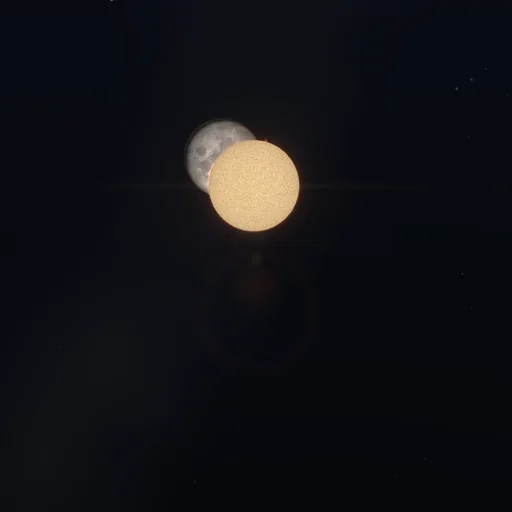
One face toward a star
Dissipate a planet’s excess spin and follow a surface marker. Compare fast and weak tidal damping as the day approaches the orbital period.
Astronomy / Earth
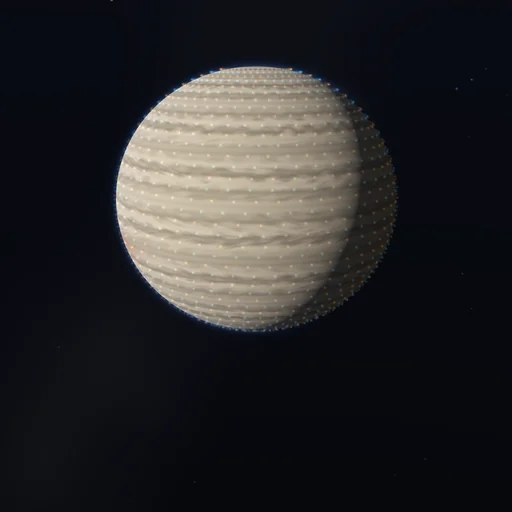
Jets on a giant planet
Change planetary rotation and wind speed. Compare the Rhines scale with the width of the coloured latitude bands and follow advected tracers.
Astronomy / Earth
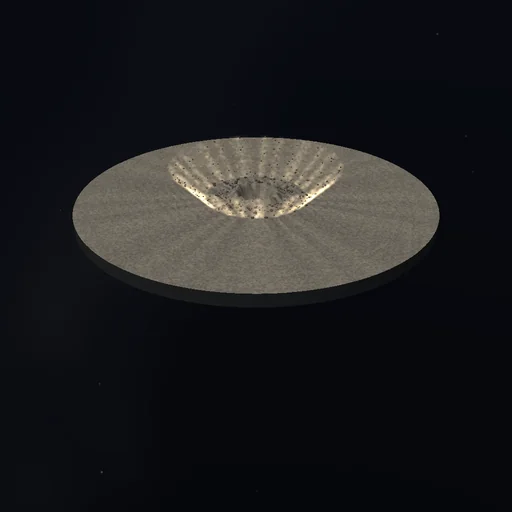
Impact and the ejecta curtain
Choose the target body and the impactor. The atmosphere brakes, breaks or bursts it; the crater takes its scaled size and shape; the ejecta fly with the speeds of their launch positions, the fastest escaping small bodies.
Some modules belong to more than one Suite. Shared experiments have one description here.