Physics / Astronomy / Earth
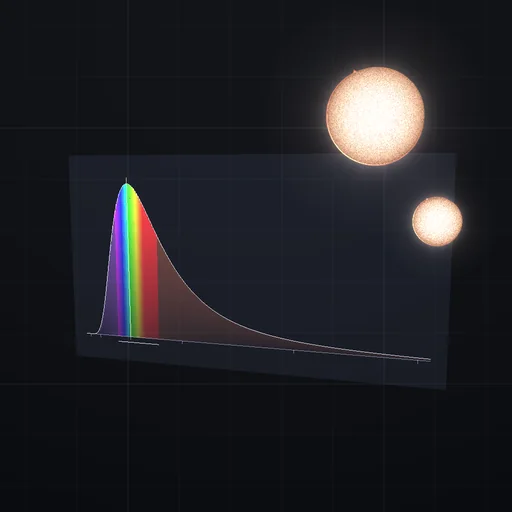
Blackbody radiation
Planck's curve live: slide the temperature, watch Wien's peak march and the Stefan-Boltzmann area grow, and see the body's true color.
Available for Windows
120 interactive modules in six rings connect planets, stars, galaxies and cosmology with observation and spaceflight. Follow an orbit, inspect a star’s changing behaviour, explore a black hole or take control of a machine working beyond Earth.
120 modules · Page 3 / 6
Physics / Astronomy / Earth
Planck's curve live: slide the temperature, watch Wien's peak march and the Stefan-Boltzmann area grow, and see the body's true color.
Astronomy
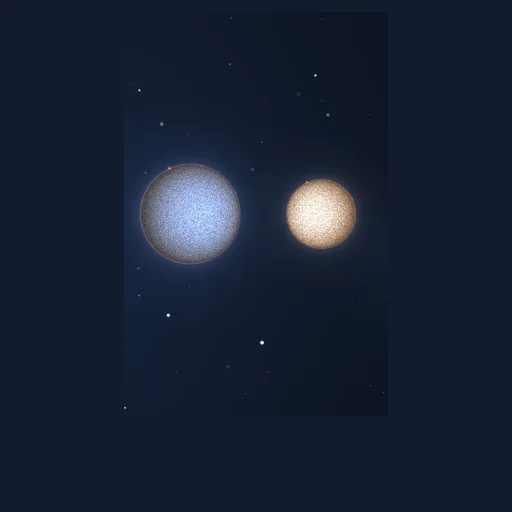
Explore temperature, luminosity and radius, compare two 3D stars, and inspect an offline HYG colour–magnitude sample.
Astronomy
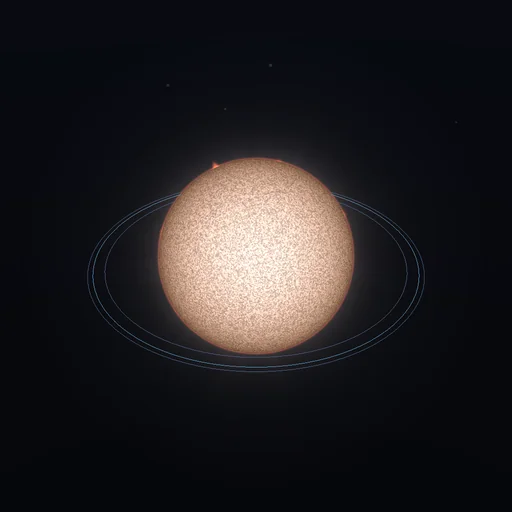
A star and its Hertzsprung-Russell diagram on the same clock. The colour comes from the track temperature through the Planck curve, the size from the radius that follows from L and T - nothing is hand-coloured.
Astronomy
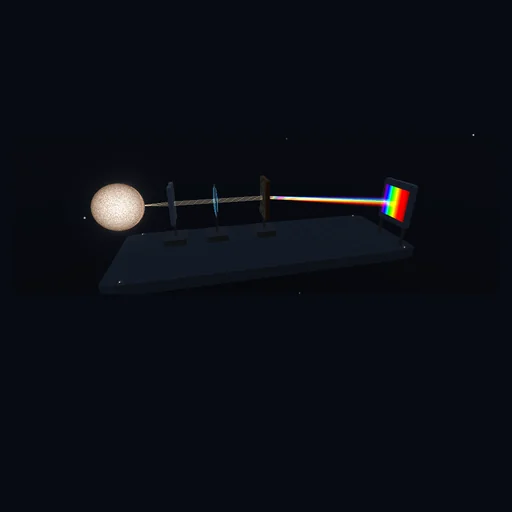
Split starlight in a 3D spectrograph, resolve the sodium doublet, measure absorption and match a recorded noisy spectrum.
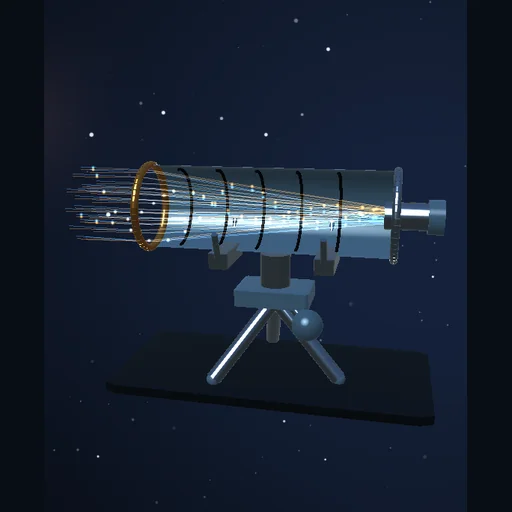
Physics / Astronomy
Explore a telescope in 3D, diffraction rings and a surface of light intensity. Compare aperture, wave defocus and atmosphere on one angular scale.
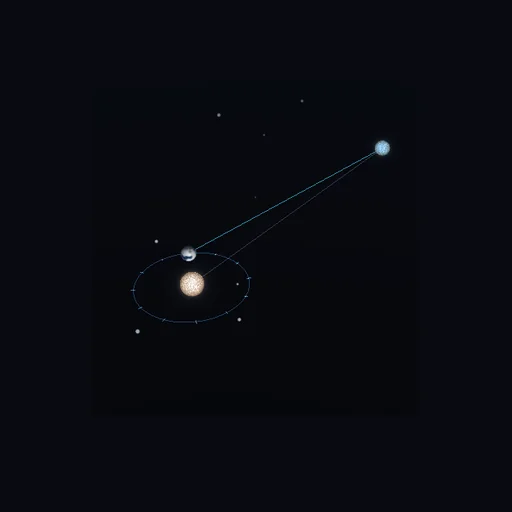
Astronomy
Two dates, one moving image, and a distance measured from completed exposures. Compare frames and separate parallax from proper motion.
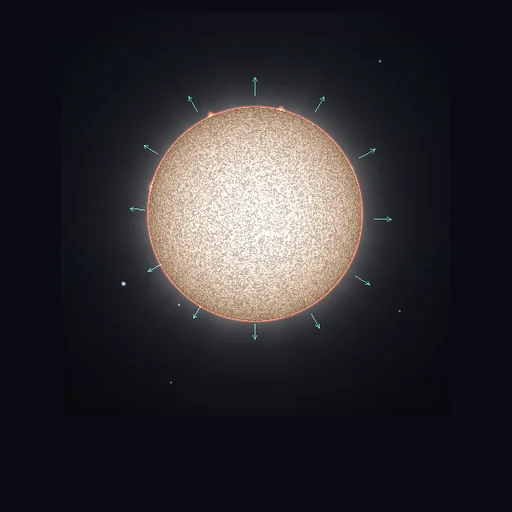
Astronomy
A pulsating photosphere, measured nights and the cosmic distance ladder. Recover a period from a phase fold, distinguish mean flux from mean magnitude, and see how dust biases distance.
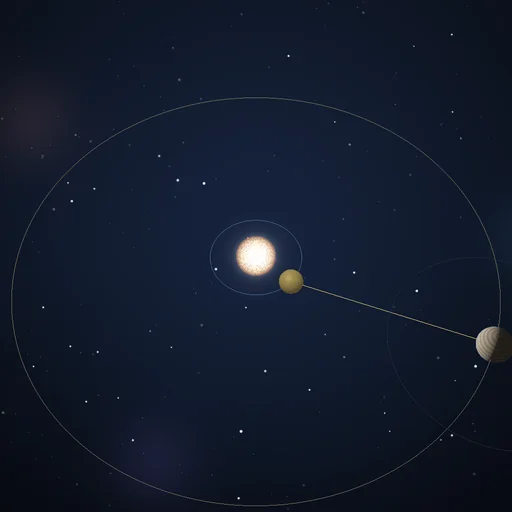
Physics / Astronomy
Roemer 1676: Io's eclipses arrive late when Earth is far from Jupiter, and the residuals of the fit measure the speed of light.
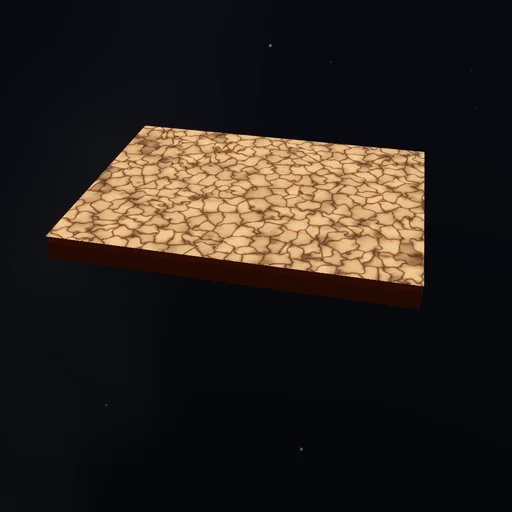
Astronomy
Explore a magnified patch of the photosphere. Follow warm upflows and cool lanes, and compare overturn time with the radiated energy flux.
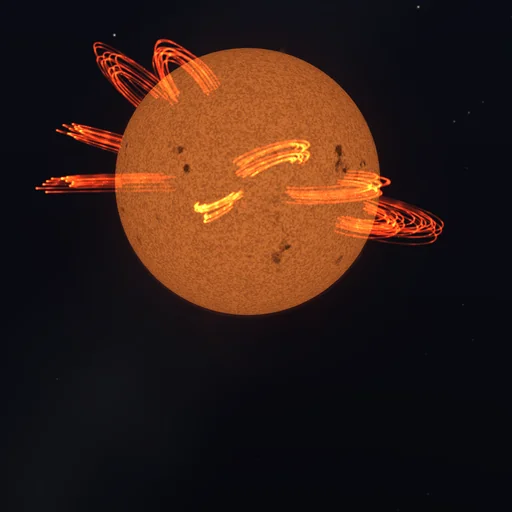
Astronomy
Strengthen a magnetic field and heat the plasma. Follow bright tracers along closed coronal loops and compare magnetic with gas pressure.
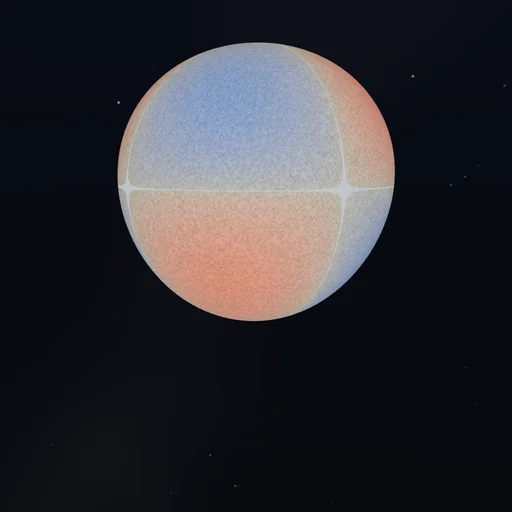
Astronomy
Choose a spherical oscillation mode. Watch the nodes stay still while opposite regions move in opposite directions.
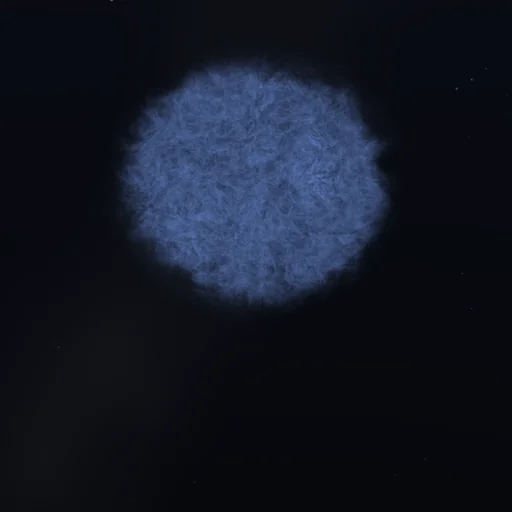
Astronomy
Cool or compress a molecular cloud. Compare its mass with the Jeans mass and follow the pressureless collapse clock when gravity wins.
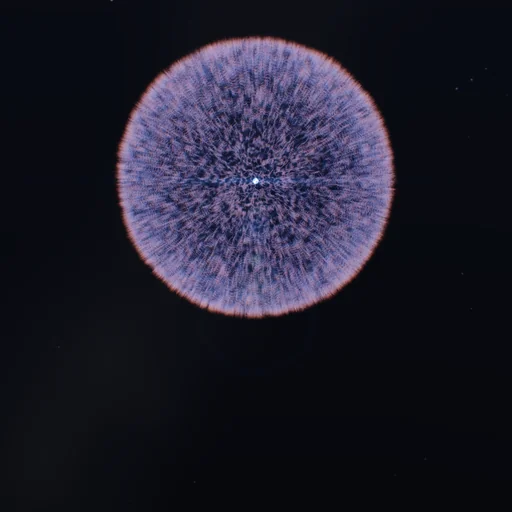
Astronomy
Expand a shock through interstellar gas. Increase the explosion energy or ambient density and compare the shock radius and speed.
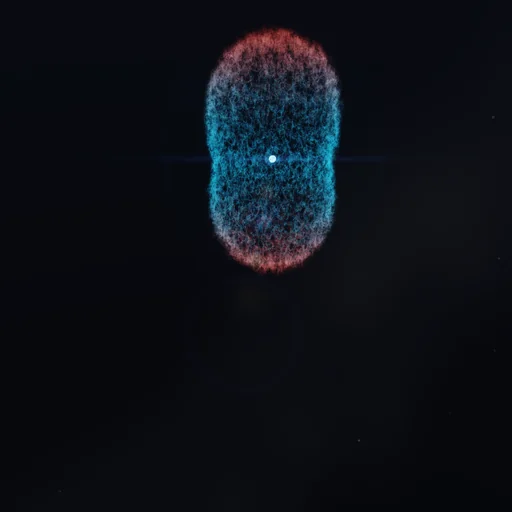
Astronomy
Shape an expanding stellar envelope from a round shell into bipolar lobes. Track its expansion age and the fading emission measure.
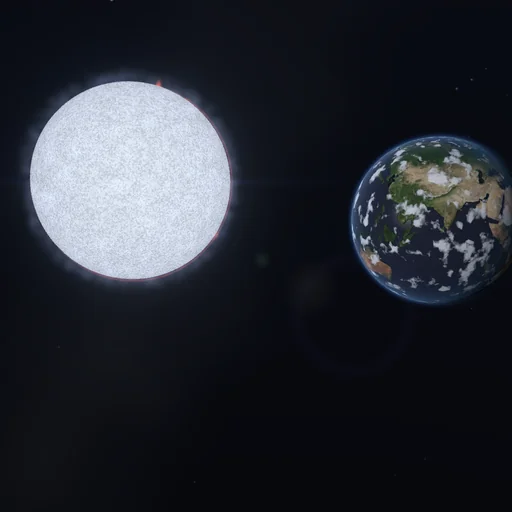
Astronomy
Add mass to a cold white dwarf and watch its radius shrink. Compare its density and surface redshift with the familiar scale of Earth.
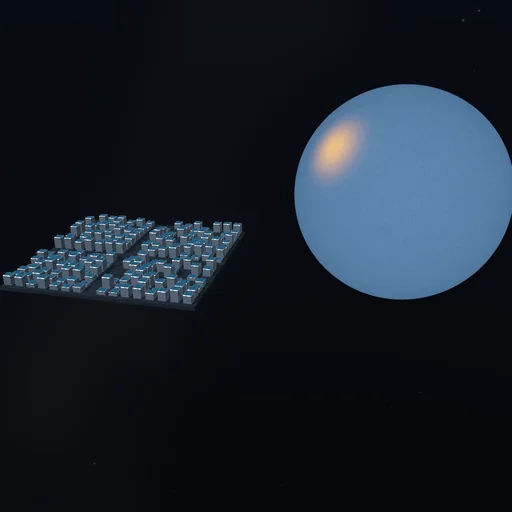
Astronomy
Compress a stellar mass into a small radius. Compare compactness, surface redshift and the increasing fraction of the surface visible through light bending.
Astronomy
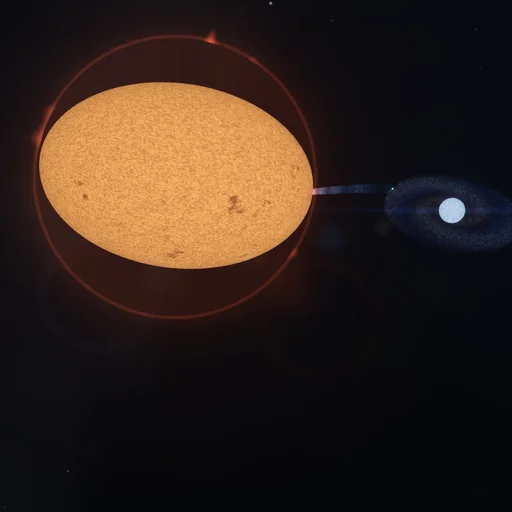
Expand the donor toward its Roche lobe. Watch the transfer stream switch on when the stellar surface reaches the critical radius.
Astronomy
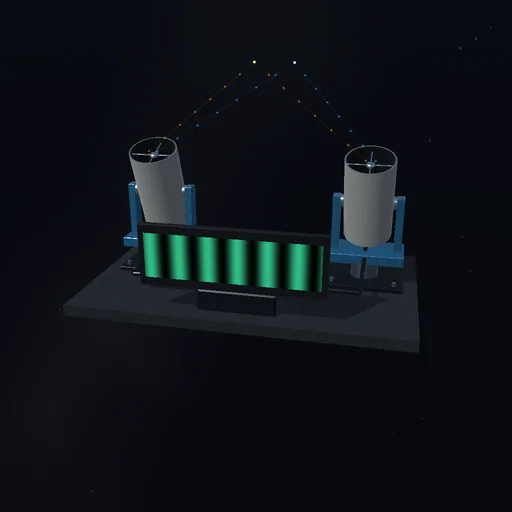
Separate two telescopes and resolve a double source through changing fringe visibility. Compare angular resolution with the fringe contrast.
Astronomy
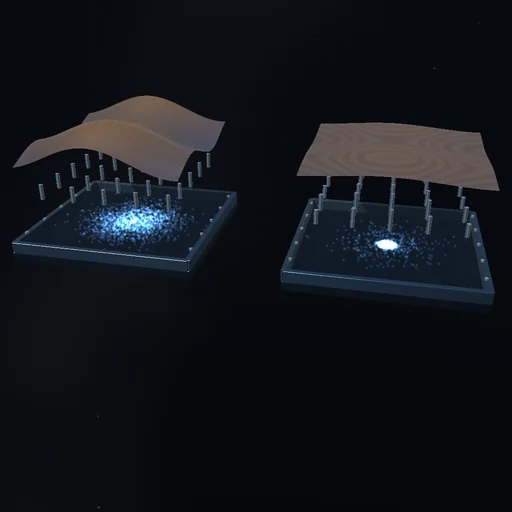
Increase atmospheric wavefront error, then apply a correcting mirror. Compare the residual wavefront and the estimated peak intensity relative to the ideal image.
Astronomy
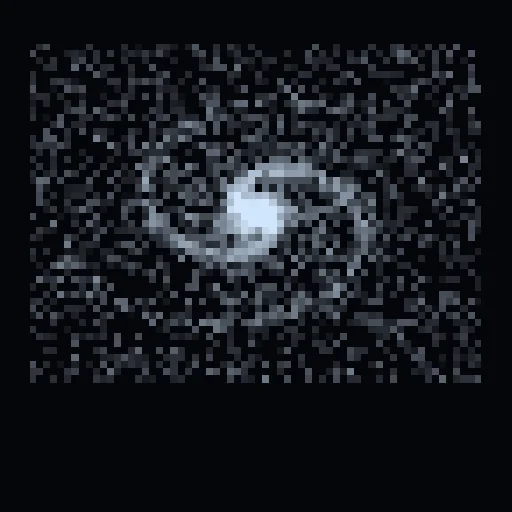
Lengthen an exposure and collect photons from a faint spiral galaxy. Compare signal, sky background and read noise in the signal-to-noise budget.
Some modules belong to more than one Suite. Shared experiments have one description here.