Astronomy / Engineering
Lunar rover expedition
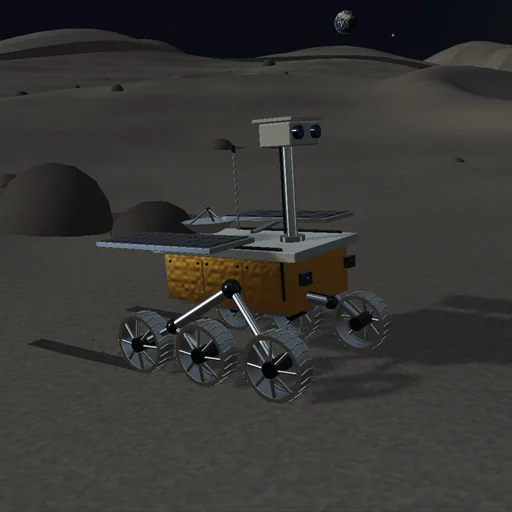
Drive a six-wheel rover across a cratered lunar test field. Compare grip, suspension loads and the automatic survey route.
Available for Windows
120 interactive modules in six rings connect planets, stars, galaxies and cosmology with observation and spaceflight. Follow an orbit, inspect a star’s changing behaviour, explore a black hole or take control of a machine working beyond Earth.
120 modules · Page 6 / 6
Astronomy / Engineering
Drive a six-wheel rover across a cratered lunar test field. Compare grip, suspension loads and the automatic survey route.
Astronomy / Engineering
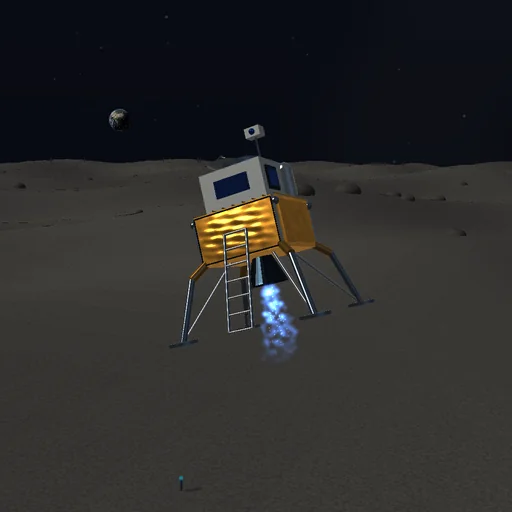
Bring the lander onto the illuminated target. Try automatic guidance, then control thrust and lateral tilt yourself while watching fuel and touchdown speed.
Astronomy / Engineering
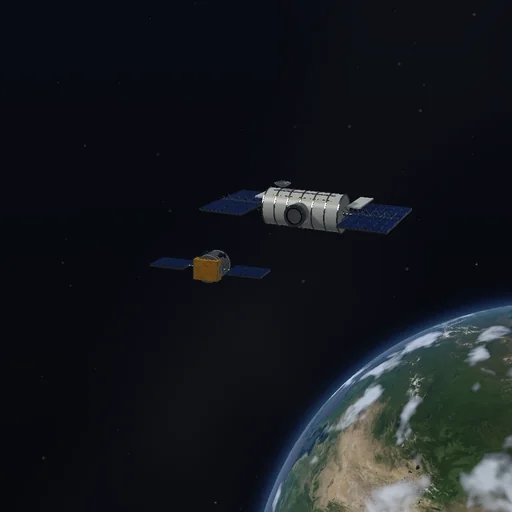
Approach the station, match orientation and settle into the docking collar. Automatic guidance uses the same limited thrusters as your manual commands.
Astronomy
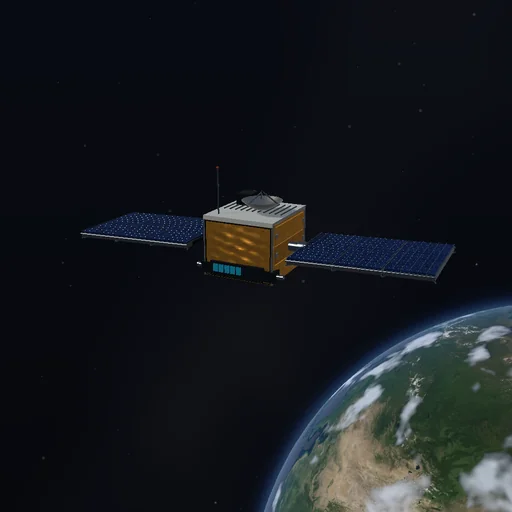
Keep a satellite powered through sunlight and eclipse. Deploy solar wings, change their pointing and decide when the scientific payload can stay on.
Astronomy / Engineering
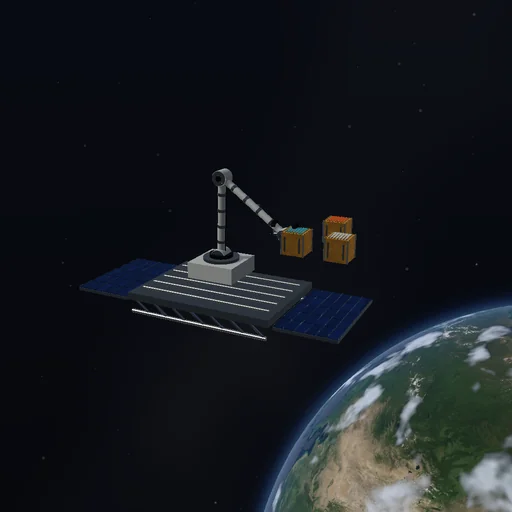
Use a station-mounted arm to capture floating cargo and move it into the service area. Compare automatic transfer with manual tool positioning.
Astronomy
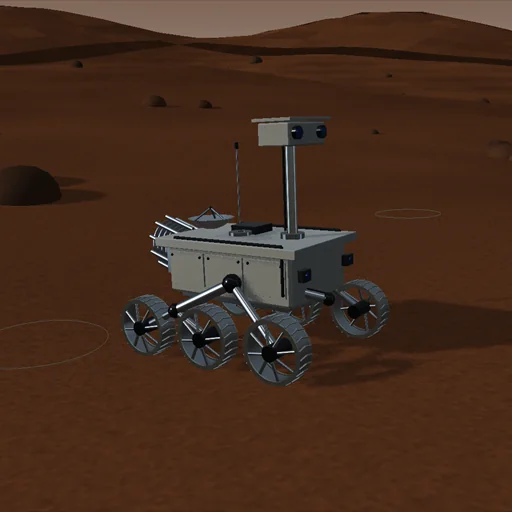
Explore the red terrain, stop at survey sites and operate the sampling arm. The automatic expedition drives and pauses to collect samples.
Physics / Astronomy / Engineering
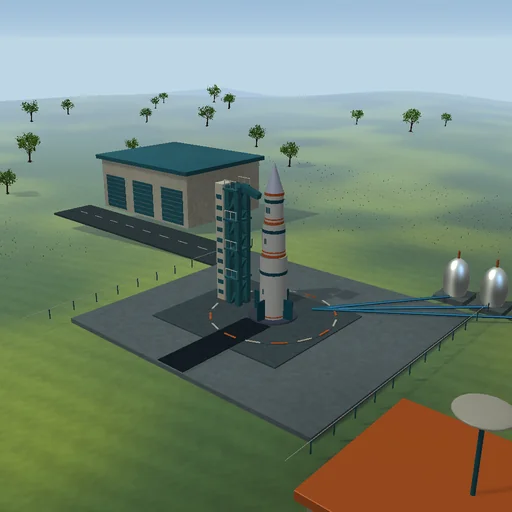
Variable mass and the Tsiolkovsky equation, staging and gravity.
Physics / Astronomy / Earth
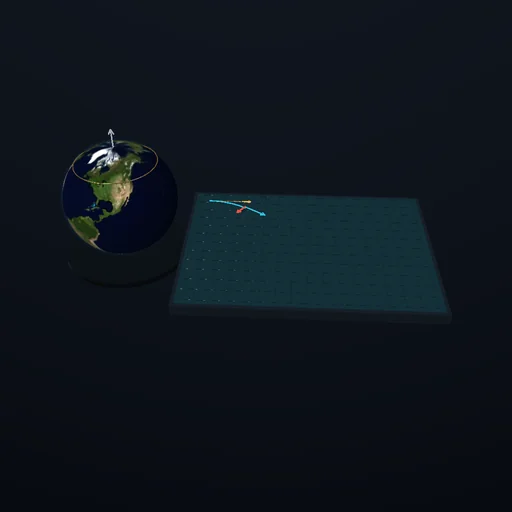
A free particle over a rotating planet: the Coriolis force alone curls a straight shot into a circle.
Astronomy
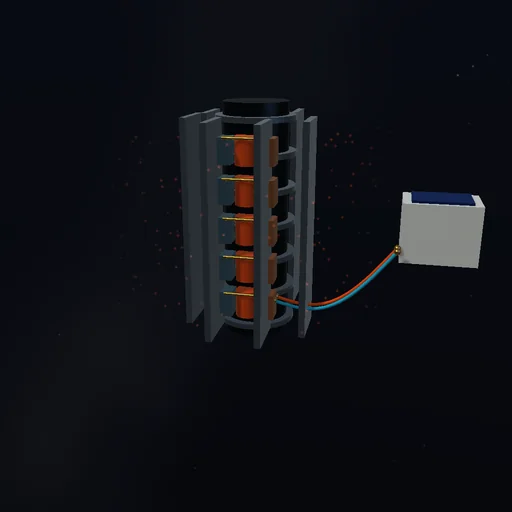
Look inside a radioisotope power source. Follow heat through thermoelectric couples and adjust the electrical load and radiator area.
Astronomy
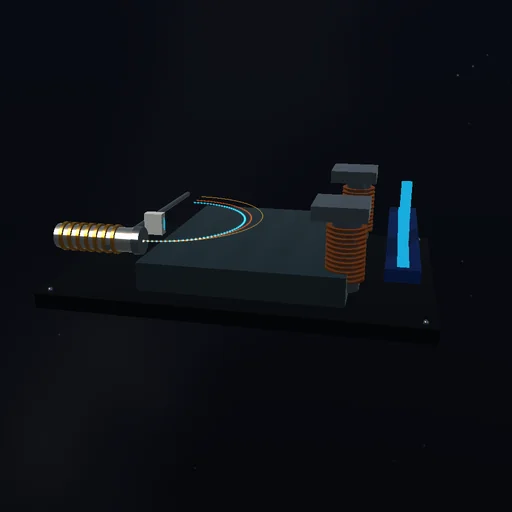
Send ions through a magnetic sector and scan the detector. Compare simplified Earth, Mars and giant-planet gas mixtures by their mass-to-charge peaks.
Astronomy / Engineering
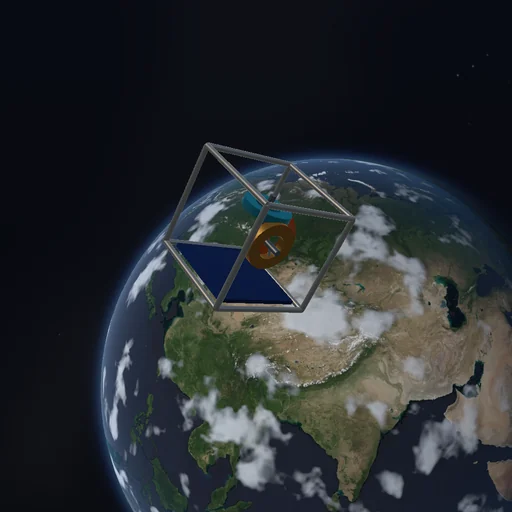
Turn the satellite using three internal flywheels. Watch angular momentum move between wheels and body, then unload saturated wheels with external thrusters.
Astronomy / Engineering
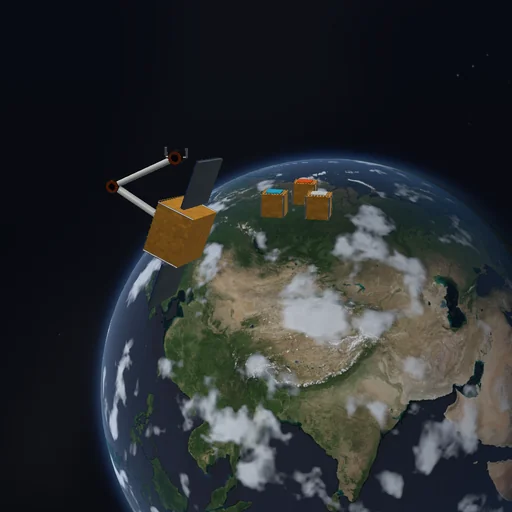
Catch a drifting payload with a robot that has no fixed support. Moving the captured load pushes and turns the floating base through the same contact solver.
Astronomy
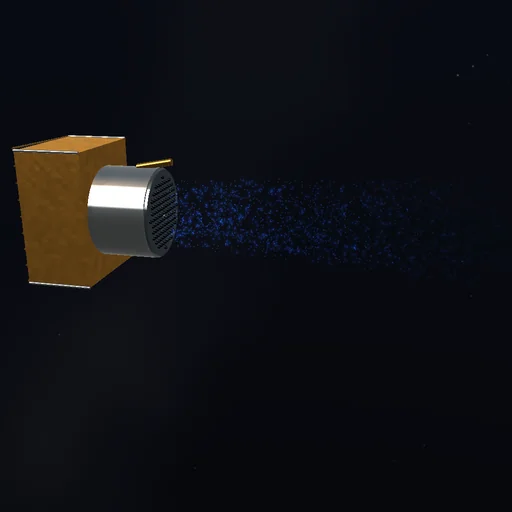
Inspect an electric engine and its ion plume. Trade exhaust speed against thrust, accumulate velocity over a long burn and test the neutralizer interlock.
Astronomy
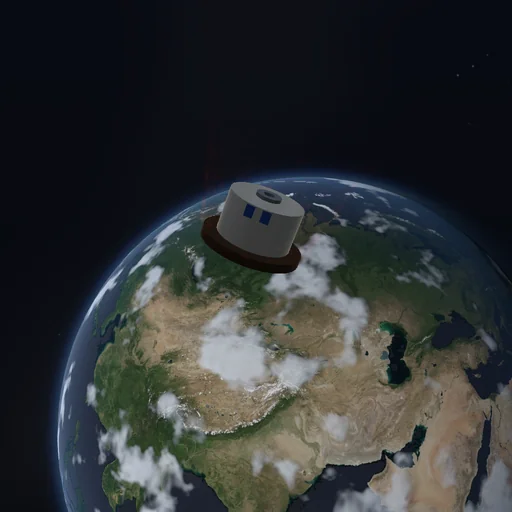
Guide a capsule into the atmosphere. Change bank angle and lift-to-drag ratio while watching heating, deceleration and the remaining heat shield.
Astronomy
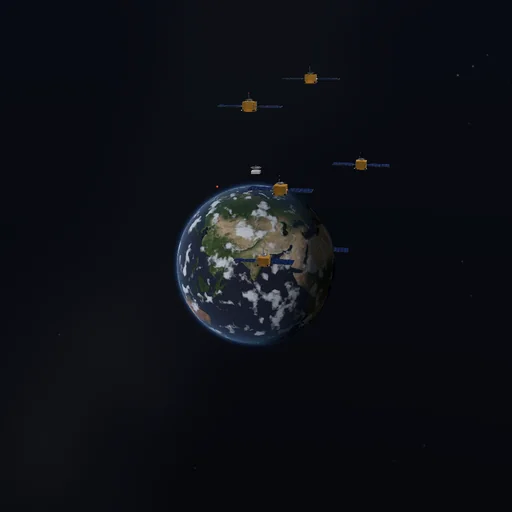
Locate a receiver using six satellite pseudoranges. Add clock error and range noise, then compare a spread-out constellation with poor geometry.
Astronomy
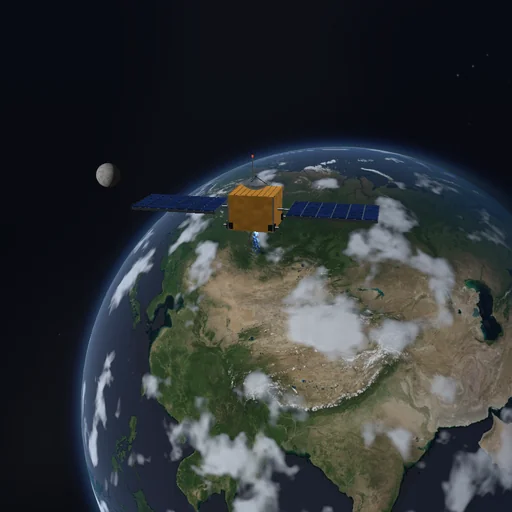
Watch a predicted conjunction and make an avoidance burn. Measure the actual closest approach and compare it with an unpowered pass.
Astronomy
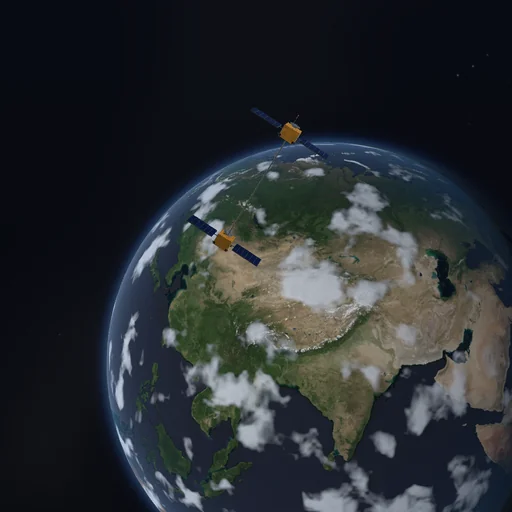
Deploy a tether between two spacecraft. Watch gravity-gradient libration and see how reeling changes the angular motion and tension.
Astronomy / Engineering
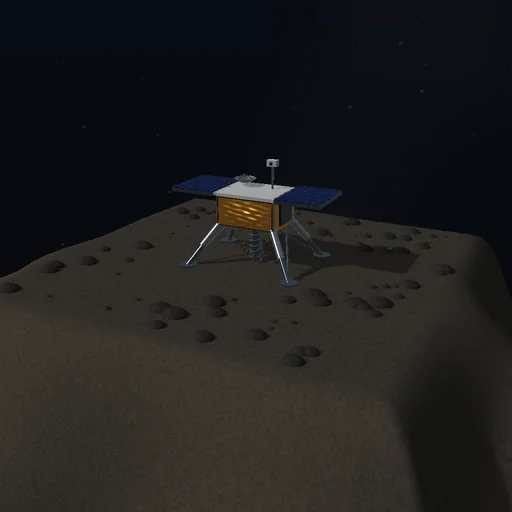
Operate a drill where gravity is extremely weak. Anchor the machine before drilling, then release it and see the reaction push the rig away.
Astronomy
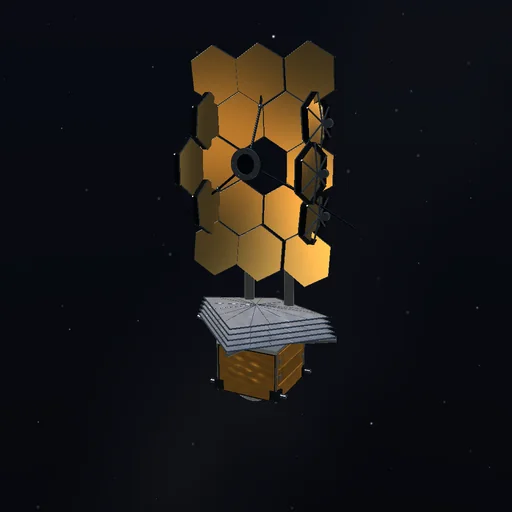
Unfold a space observatory in a safe sequence. Deploy the shield, raise the mast and open the mirror wings, then align the segments to concentrate starlight.
Astronomy
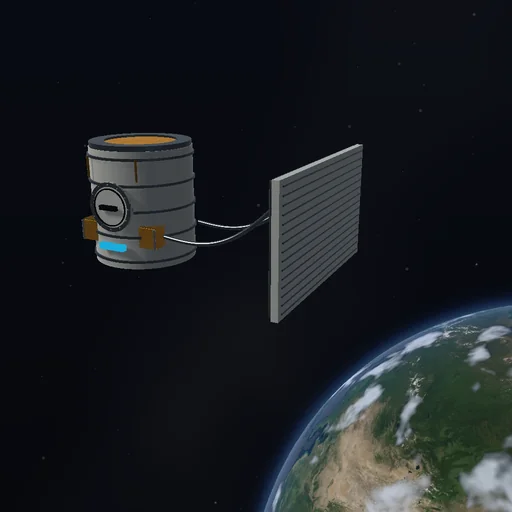
Keep the spacecraft cabin cool without air. Pump heat to a radiator, change its orientation and watch how sunlight competes with radiation into space.
Some modules belong to more than one Suite. Shared experiments have one description here.