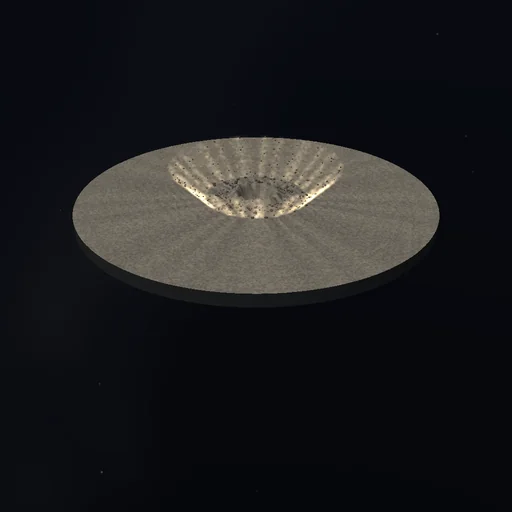
Choose the target body and the impactor. The atmosphere brakes, breaks or bursts it; the crater takes its scaled size and shape; the ejecta fly with the speeds of their launch positions, the fastest escaping small bodies.
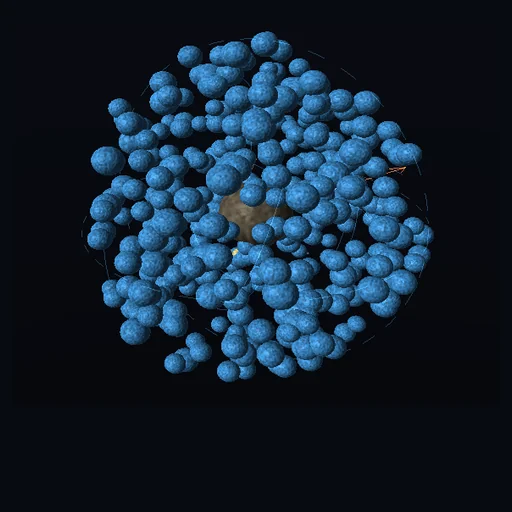
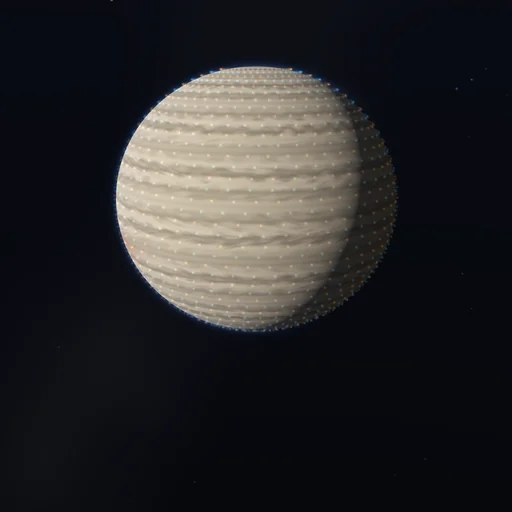
Explore tidal stretching in 3D: compare a satellite tracer cloud with an isolated control, inspect differential gravity, and distinguish a close passage from ideal Roche estimates.
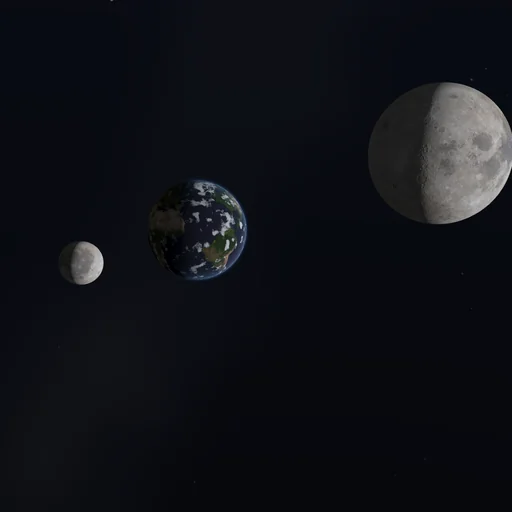
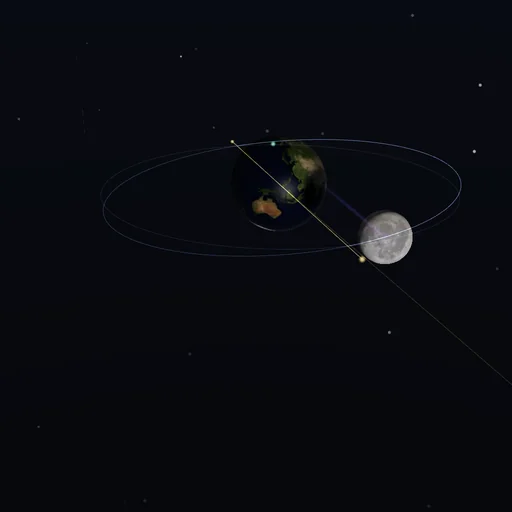
Why a new moon is usually not an eclipse, what decides total against annular, and why the pattern repeats every eighteen years and eleven days. The Moon's orbit tilted 5° with its line of nodes, the umbra and penumbra as cones that reach the Earth or fall short, an observer at any latitude who sees the discs at their true sizes, and a table of the run's eclipses with the one a Saros later beside each. An idealised orbital model - circular orbits, mean motions - so it explains eclipses and dates none.
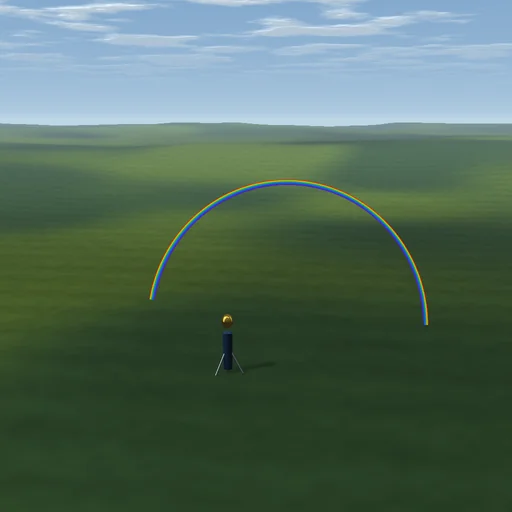
Trace refraction, dispersion and internal reflections through a spherical water drop. Compare primary and secondary rainbow angles and the reversal of colour order.
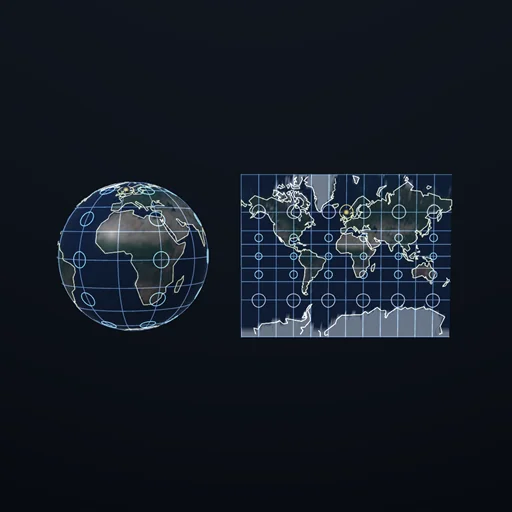
Small circles drawn on the globe, and the same circles on the map: Tissot's indicatrix, which is the whole measurement. Mercator keeps every circle round and swells them past thirty times; Lambert keeps the areas and squashes the shapes; nothing keeps both, and that is Gauss. Greenland is fourteen times smaller than Africa and Mercator draws it 10.47 times too big.
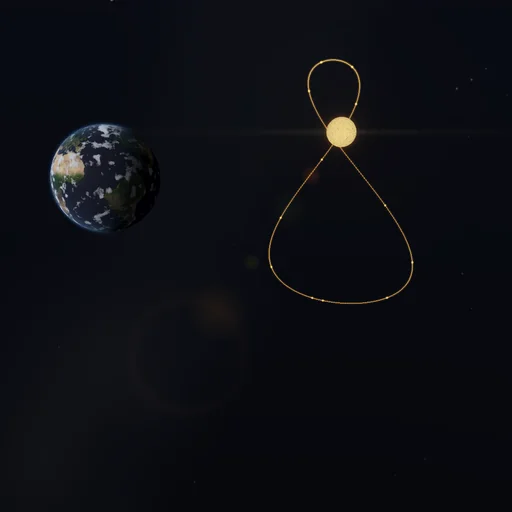
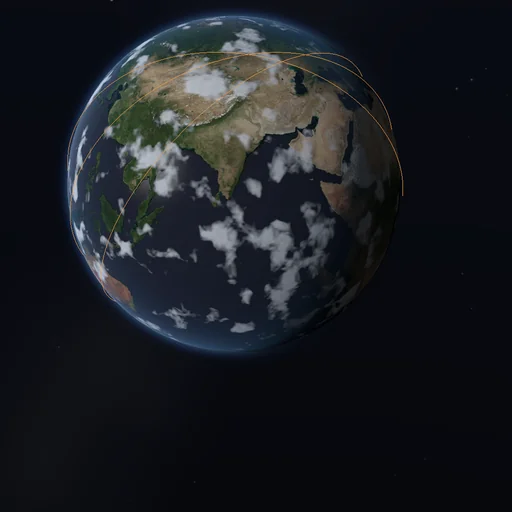
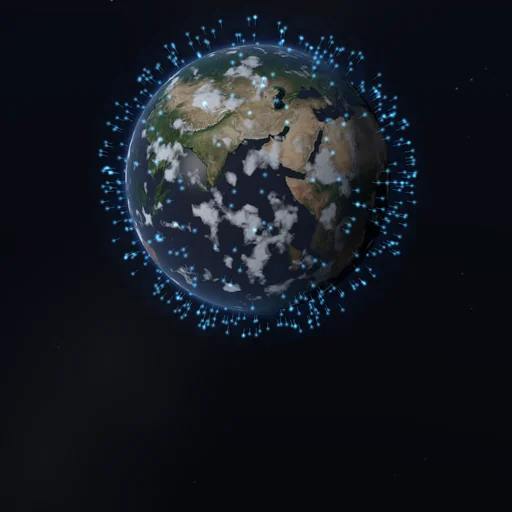
Pick a real satellite or build your own: altitude, inclination, eccentricity and perigee. Follow its path over the rotating Earth and on the flat map, and find the orbits that repeat, hang over the north, or keep pace with the Sun.