Earth
Plate boundaries
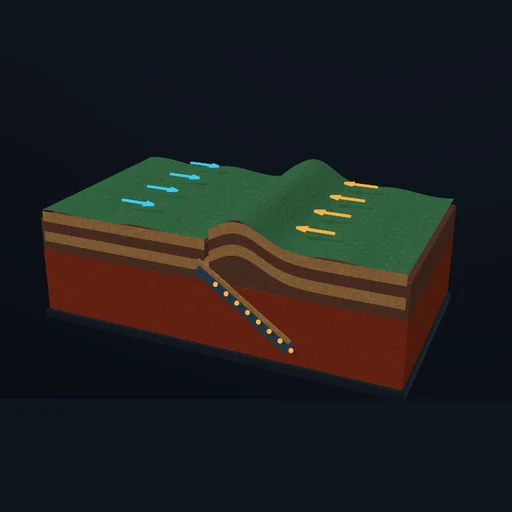
Compare spreading, subduction and sliding. Change the plate speed and inspect the exposed rock layers.
In development
Weather, water and landscapes: explore rainbows, sea breezes, rivers and geological processes.
33 modules · Page 1 / 2 · 47 planned
This Suite is still in development. These are implemented experiments, not a released product.
Contact & licencesEarth
Compare spreading, subduction and sliding. Change the plate speed and inspect the exposed rock layers.
Earth
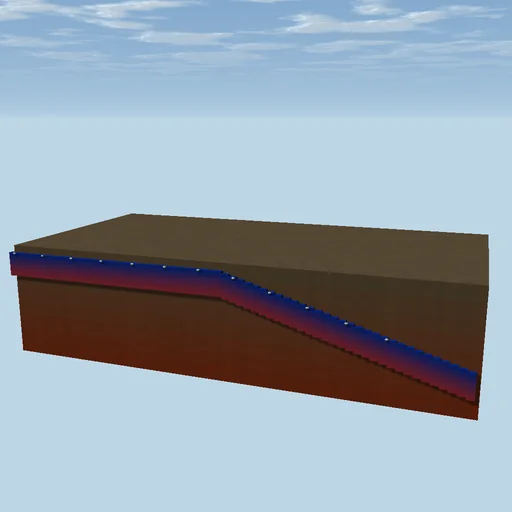
Follow a moving oceanic slab beneath a continent and compare its age with the temperature profile of cooling lithosphere.
Earth
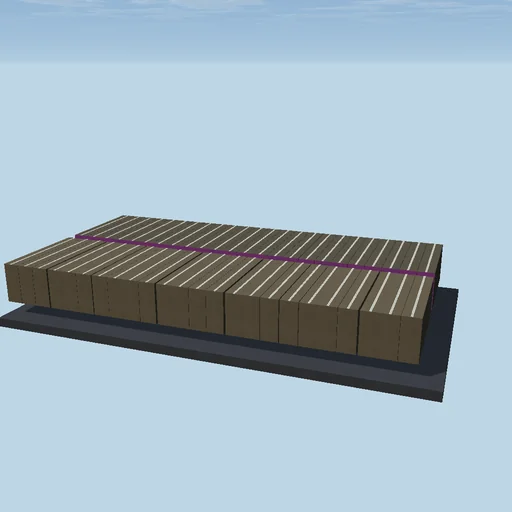
Load a segmented fault, watch weakening trigger rupture, and compare slip, shear stress and seismic moment.
Earth
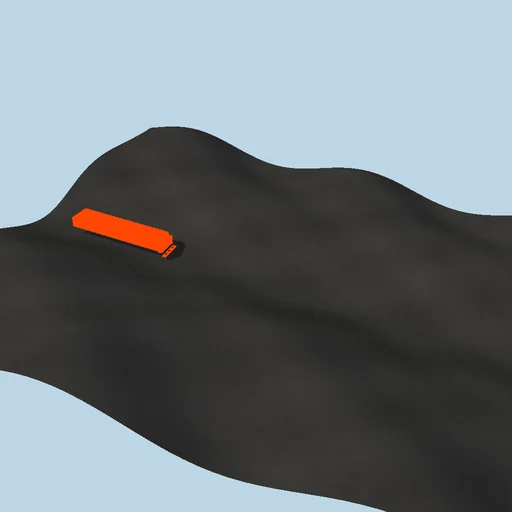
A hot viscous flow advances down a slope, loses heat and thickens as its viscosity rises.
Earth
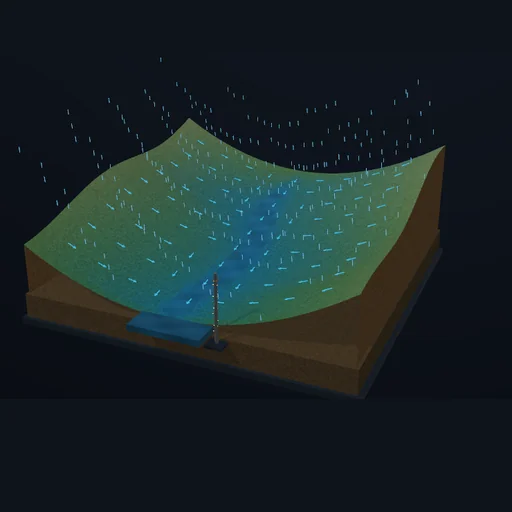
Make it rain over a catchment. Compare permeable soil with rapid surface runoff; then stop the rain and watch drainage.
Earth
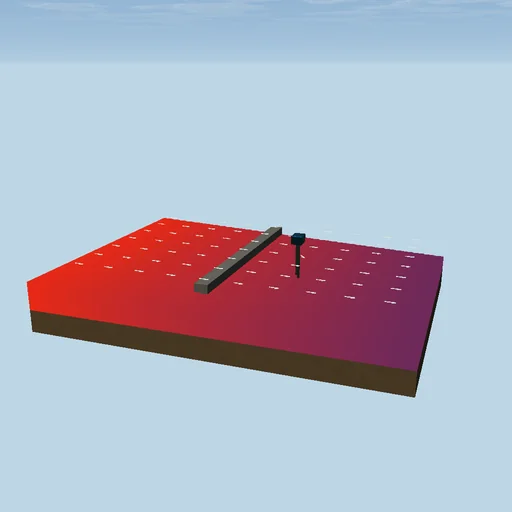
Explore a confined aquifer with recharge, a pumping well and a low-permeability barrier using a conservative field solver.
Earth
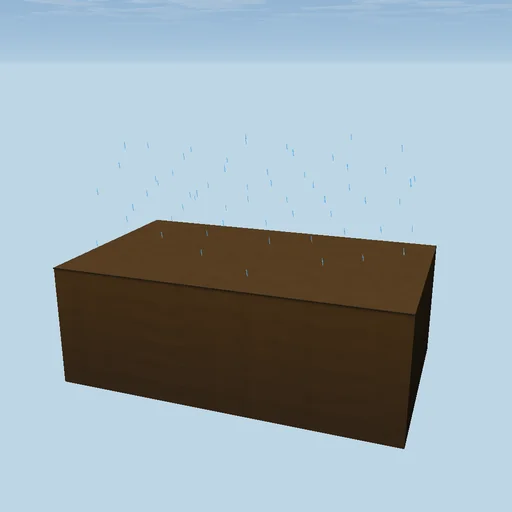
Watch a wetting front move down through soil while rainfall is divided between infiltration, ponding and runoff.
Earth
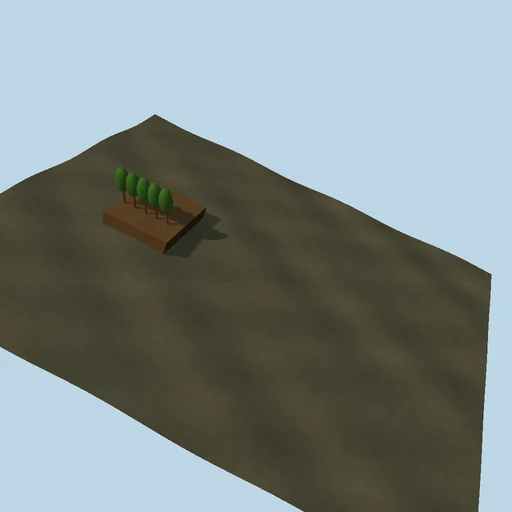
Increase pore pressure and compare driving stress with friction and cohesion before a slope begins to slide.
Earth
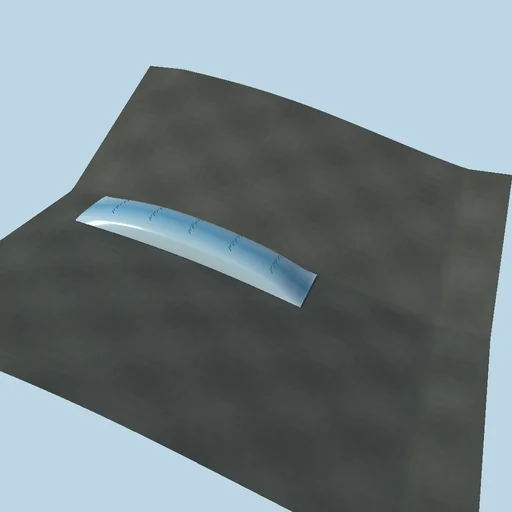
Change the snowline and watch ice thickness evolve through snowfall, melting and Glen-law deformation.
Earth
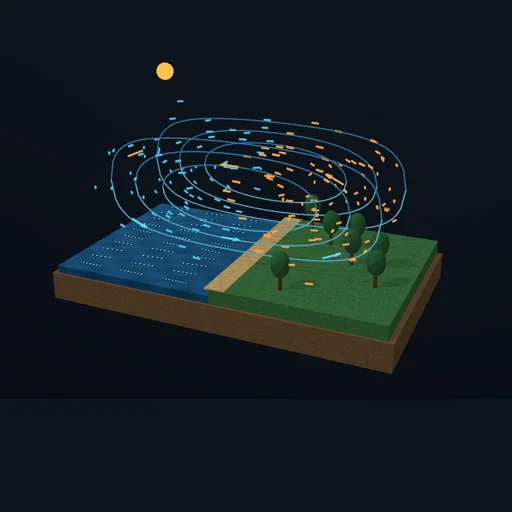
Land warms and cools faster than water. Follow the circulation and switch between day and night.
Earth
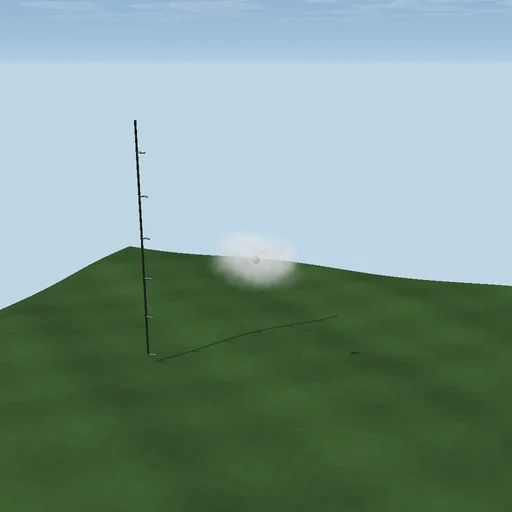
Follow rising air as it cools, reaches saturation and turns part of its water vapour into liquid droplets.
Earth
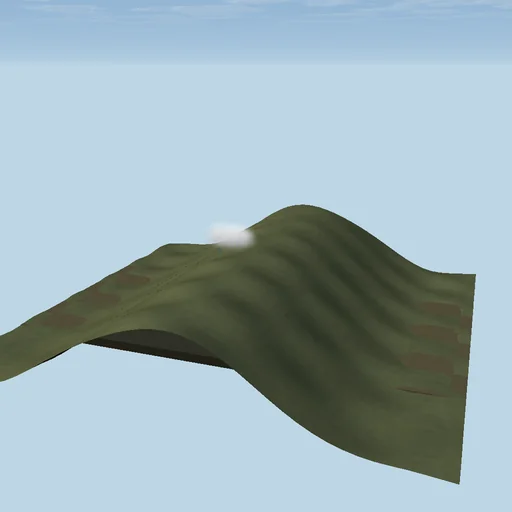
Track moist air over a mountain: condensation removes water on ascent and dry warming lowers humidity on descent.
Earth
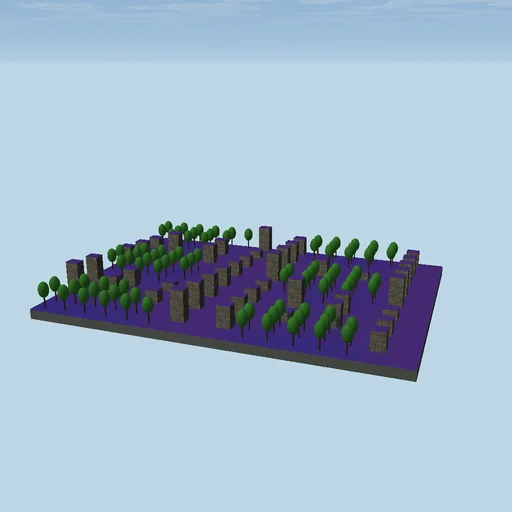
Compare streets and vegetation through a day-night cycle with sunlight, heat storage, wind exchange and anthropogenic heating.
Physics / Math / Earth
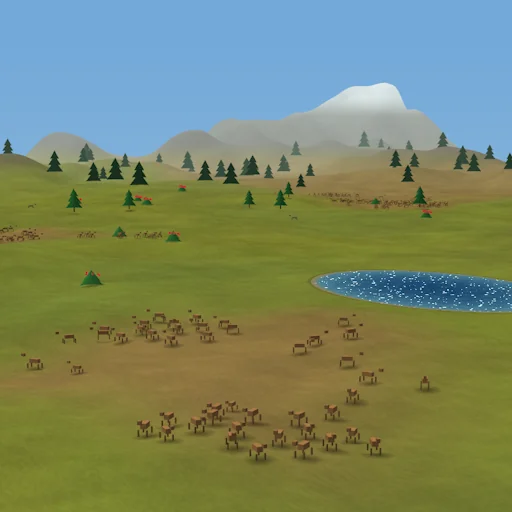
An agent ecosystem: grass, herds, hunters - and Lotka–Volterra cycles.
Astronomy / Earth
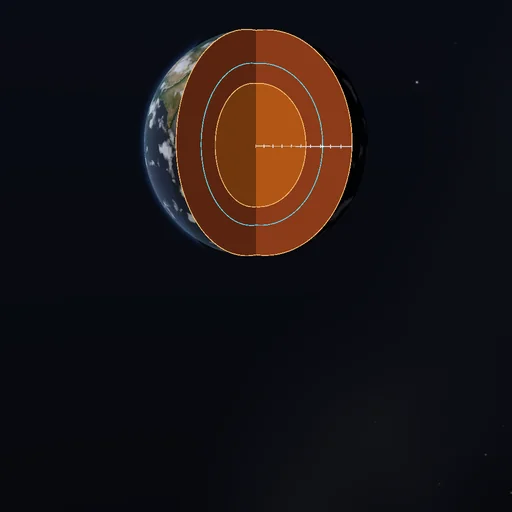
Probe a calculated rocky planet, or explore reference cutaways of the Sun and the four giant planets.
Astronomy / Earth
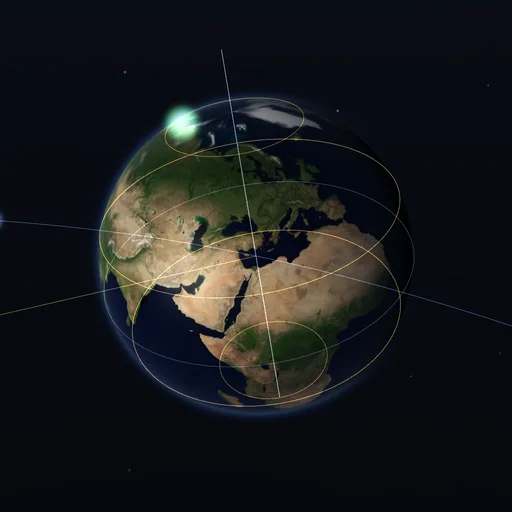
Why summer is warm: not because the Earth is closer to the Sun (it is closer in January) but because the axis leans, and a leaning hemisphere gets a higher Sun for longer. The Earth on its orbit with its axis fixed in space, lit from where the Sun is; an observer at any latitude with the day's Sun arc over the horizon; day length, noon altitude and daily insolation from the geometry, and the two hemispheres through the year.
Physics / Astronomy / Earth
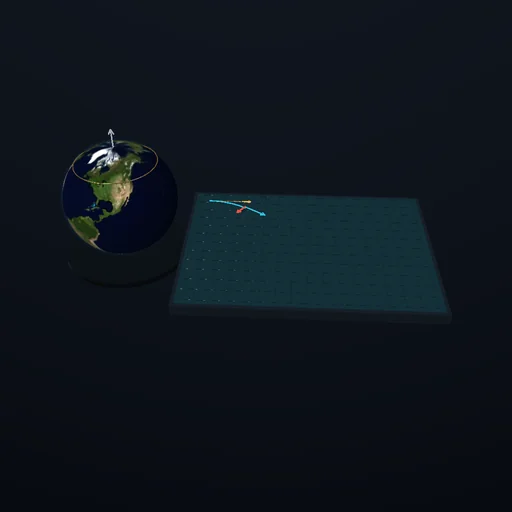
A free particle over a rotating planet: the Coriolis force alone curls a straight shot into a circle.
Astronomy / Earth
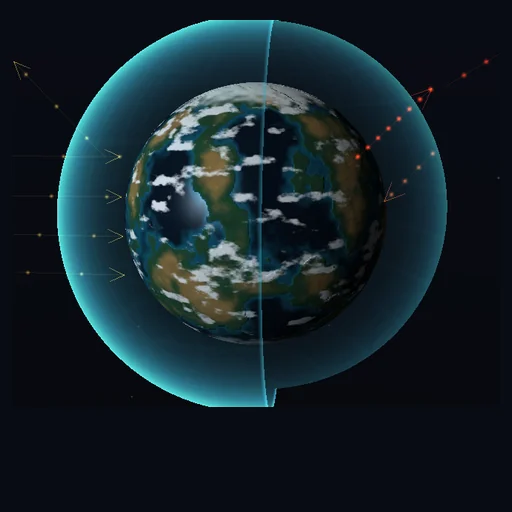
A 3D planet, sunlight and infrared paths, and a measurable energy budget. Change the atmosphere and follow surface warming or cooling.
Physics / Astronomy / Earth
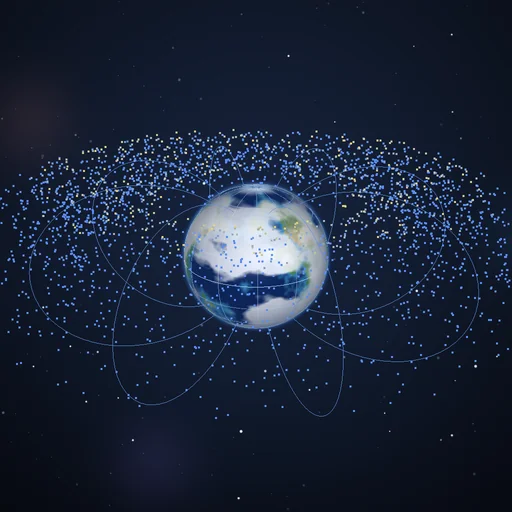
A charged particle on a real dipole field line: it either mirrors before reaching the atmosphere, or precipitates - decided entirely by its pitch angle.
Astronomy / Earth
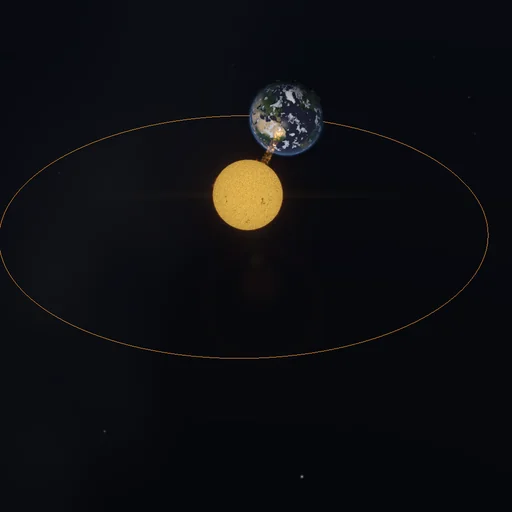
Compare eccentricity, tilt and precession with summer sunlight at a selected latitude. Move through 400,000 years.
Some modules belong to more than one Suite. Shared experiments have one description here.