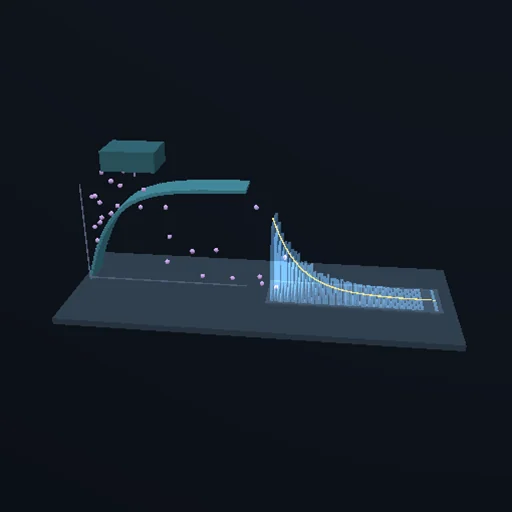
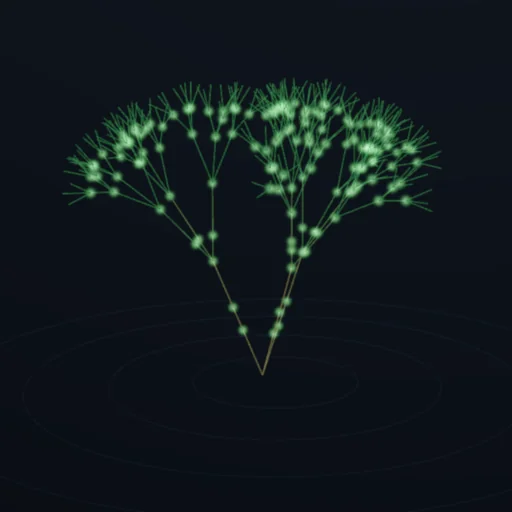
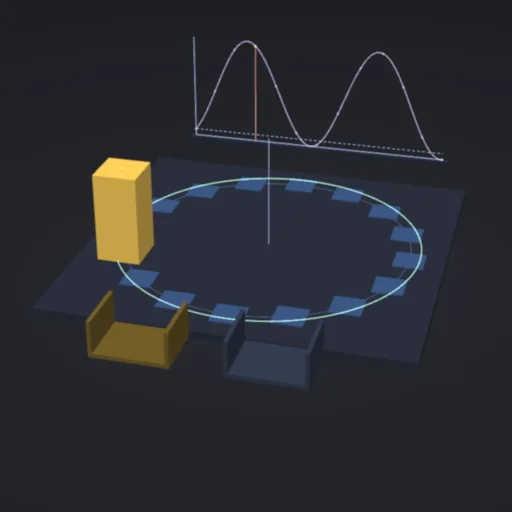
Math
Three answers people refuse
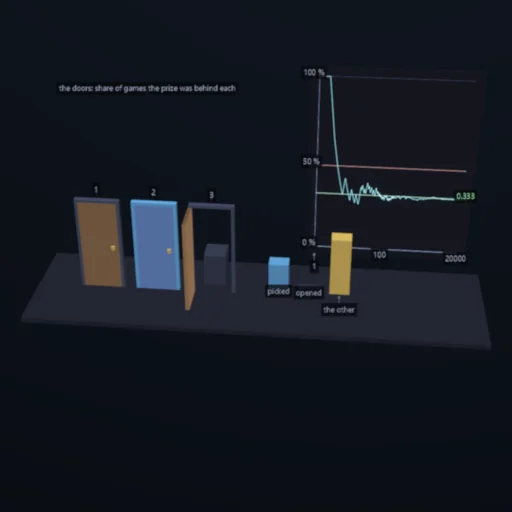
Monty Hall: switching wins 2/3 - and only 1/2 if the host did not know where the prize was, though he opened the same door. The two children: 'at least one is a boy' makes two boys 1/3, 'the older is a boy' 1/2, 'a boy born on a Tuesday' 13/27. Bertrand's chord: a random chord is longer than the triangle's side with probability 1/3, 1/2 or 1/4, depending on what 'random' means. Every answer is an exact fraction and a count over twenty thousand seeded trials, and the picture shows the procedure that produced it.
What happens
Three puzzles that a thousand PhDs got wrong, and each is settled the same way: by counting. Behind one of three doors is a car; the host, who knows where it is, opens an empty one - switching wins two thirds of the time, and the grid of all cases shows why. Make the host ignorant, opening at random, and it is one half. "At least one boy" gives a one-third chance of two boys; add "born on a Tuesday" and it climbs to 13/27, because the extra detail cuts the grid unevenly. And Bertrand's random chord has three different probabilities because "random" was never said. Read the grids, then run twenty thousand trials.
Equations used in the module
Equations
Monty Hall, knowing host: P(switch wins) = 2/3;  ignorant host: 1/2
two children, "at least one boy": P(two boys) = 1/3;  "a boy born on Tuesday": 13/27
Bertrand's chord longer than √3: endpoints 1/3, radius 1/2, midpoint 1/4
counted over 20 000 seeded trials