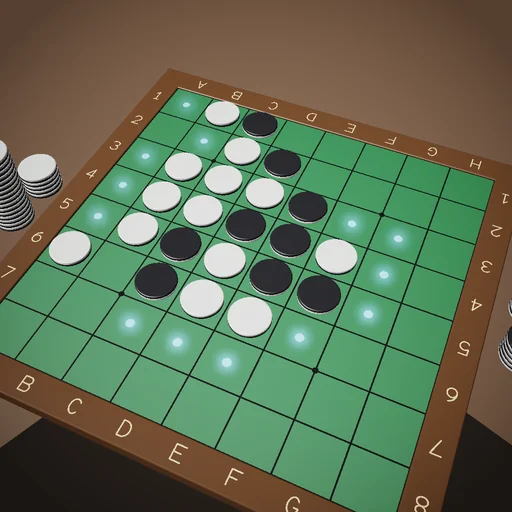
The classic game of discs that change colour: bracket a row of your opponent’s discs and they all turn to yours. Play the computer at five levels, from a beginner who blunders corners to a master that solves the last twenty moves exactly, play a friend at the same table, or watch the computer play itself.
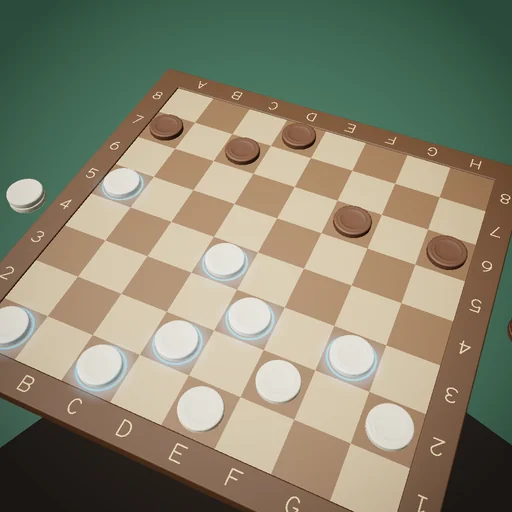
Draughts on an inlaid maple and walnut board: Russian draughts with flying kings, English draughts and giveaway. Taking is compulsory and goes on while anything can be taken; the computer plays at five levels, from a beginner to a master that sees every capture to its end, or you play a friend at the same table.
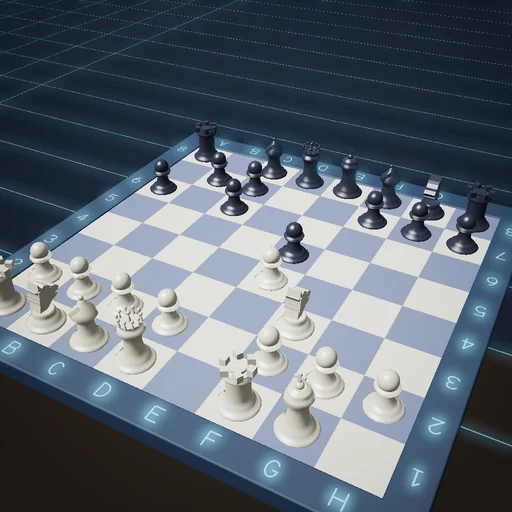
Chess on a lacquered board with turned ivory and ebony chessmen: castling, en passant, promotion, check and mate, stalemate and the draws by repetition, by the fifty-move rule and for lack of material. Play the computer at five levels, from a beginner who leaves pieces hanging to a searcher that looks several moves deep and follows every exchange to its end, play a friend, or watch a demo game.
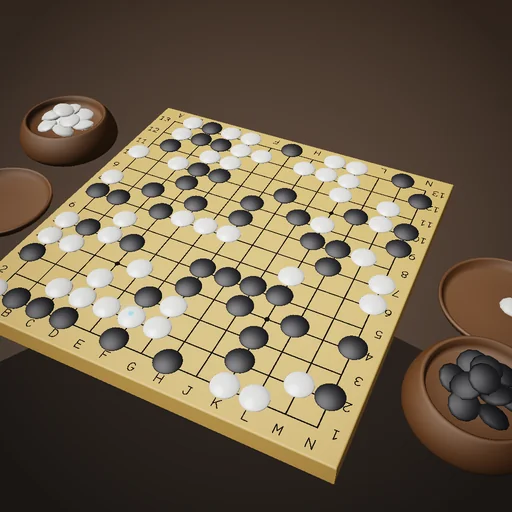
The oldest board game still played: place stones to surround more of the board than your opponent, take the stones you enclose, and count the area at the end. Boards of 9, 13 and 19 lines, handicap stones, ko and superko, area scoring with komi. Play the computer at five levels, from a novice that plays out a few hundred random games before each move to a master that plays out up to two hundred thousand across the processor’s cores, play a friend at the same table, or watch the computer play itself.
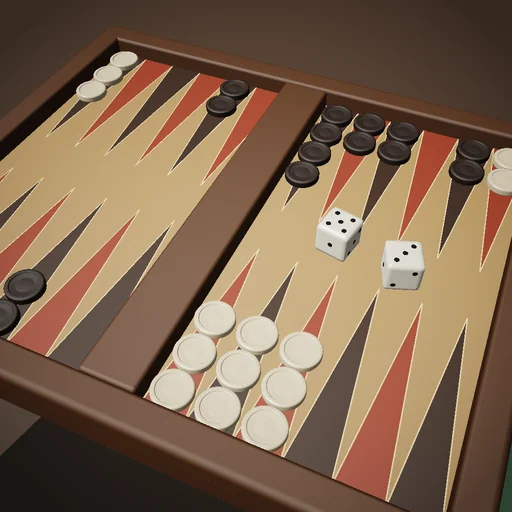
Long nardy, the game of the Caucasus and Central Asia, and short nardy, known in the West as backgammon, on a walnut board with ivory and ebony checkers and dice that tumble to rest. Every legal way to play a roll is offered step by step; the computer judges positions with the small neural networks of 3D Nardy, taught by playing itself, at five levels from a novice that misjudges on purpose to a master that looks a roll ahead. Play the computer, a friend at the same table, or watch a demo game.
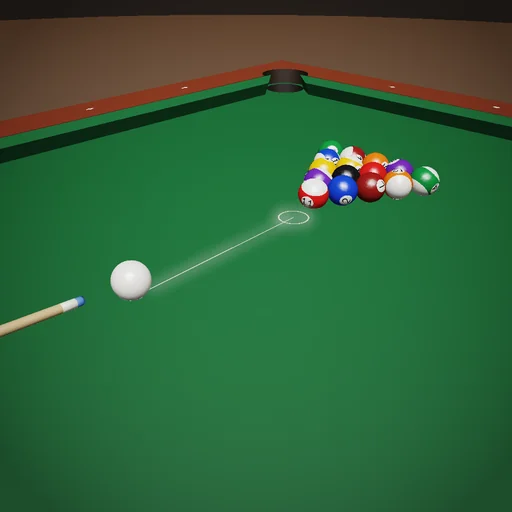
Pool and Russian billiards from 3D Billiards: eight-ball and nine-ball on a nine-foot pool table, and the free pyramid of Russian billiards on a twelve-foot table with pockets barely wider than the balls. The balls slide, roll and spin, throw each other off line and come off cushions struck above their middles in an exact event-driven simulation, and the aim lines show where they will go. Aim with the mouse, draw the cue back and let go. The computer plans its shots through the ghost ball, plays them out to see where the balls stop and plays safe when nothing will drop, at five levels. Play the computer or a friend, practise alone, or watch a demo game.
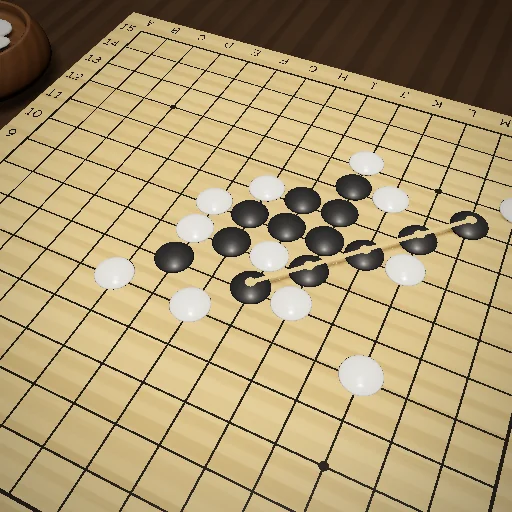
Five in a row on a board of fifteen lines: the first to put five stones in a line – across, down or diagonally – wins. Freestyle and standard gomoku, and renju, where Black, who moves first, may not make a double three, a double four or a line of six. Play the computer at five levels, from a beginner to a master that reads runs of fours to the end, play a friend, or watch the computer play itself.
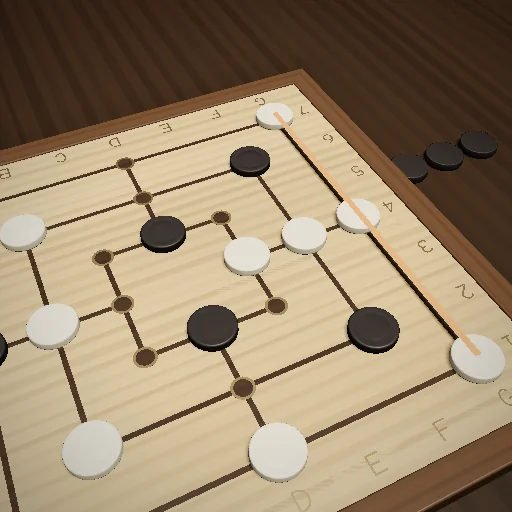
Mill, one of the oldest board games: place your pieces, then move them along the lines; three in a row is a mill, and a mill takes one of the opponent’s pieces. Leave your opponent two pieces or no move and you win. Twelve men’s morris adds the diagonals. Play the computer at five levels, play a friend, or watch the computer play itself.
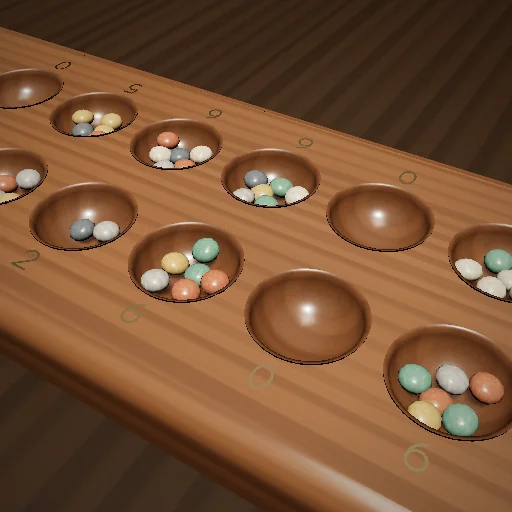
The sowing game of Africa and Asia: pick up the seeds of one of your pits and sow them one by one into the pits that follow, and capture by where the last seed falls. Kalah with its stores and extra turns, and oware, where twos and threes are taken and the opponent must be fed. Play the computer at five levels, play a friend, or watch the computer play itself.
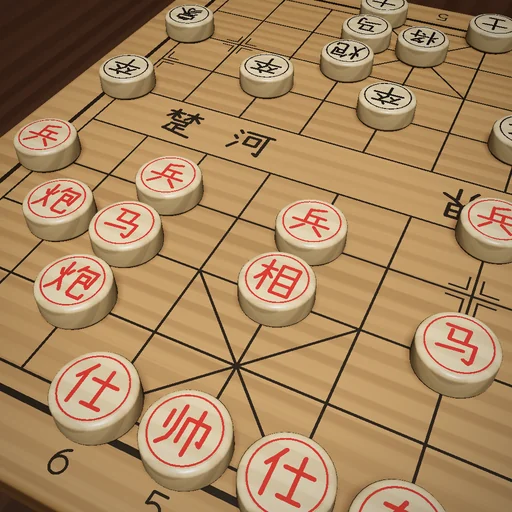
Xiangqi, Chinese chess, on an inked wooden board with the river and the two palaces, played with turned boxwood pieces whose names are cut into them in red and in black: the general and his advisors keep to the palace, the elephants to their side of the river, the horse is stopped at its leg, the cannon takes by jumping a screen, and the generals may not face each other; stalemate and perpetual check lose. Play the computer at five levels, from a beginner who leaves pieces hanging to a searcher that looks many moves deep, play a friend, or watch a demo game.
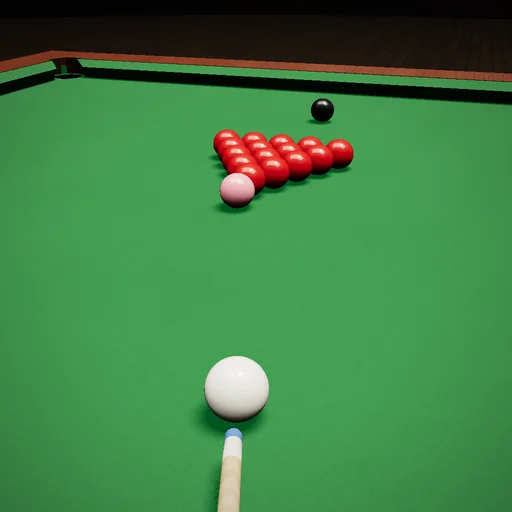
Snooker on a twelve-foot table: fifteen reds and the six colours, or a shorter frame with ten or six reds. A red and a colour in turn, the colours back on their spots while reds remain and then potted in order, fouls of four points or more, the cue ball in hand in the D, and the black spotted again when the frame ends level. The balls slide, roll, spin and throw each other off line in an exact simulation, and the aim lines show where they will go. Aim with the mouse, draw the cue back and let go. Play the computer at five levels - it builds breaks and plays safe when nothing will drop - play a friend, practise alone, or watch a demo frame.
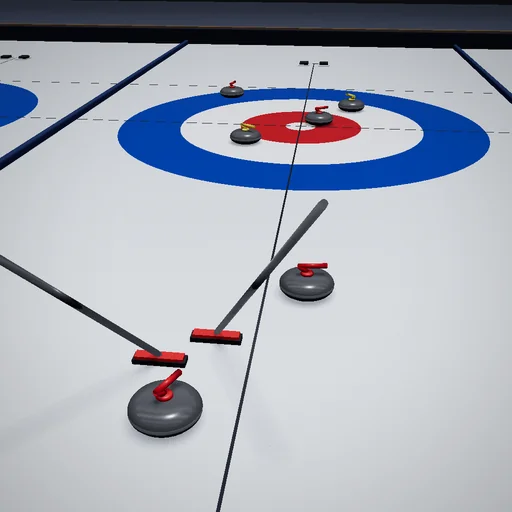
Curling on a full sheet of pebbled ice: eight granite stones a side in each end, the side without the hammer throwing first, the end counted by the stones nearest the button, and extra ends after a tie. The hog line, the back and side lines and the free guard zone of the first five stones are kept. A stone slides for half a minute, curls toward the way it turns - most as it slows - and the sweepers carry it farther and straighter while you hold Space. Place the skip's broom with the mouse, choose the weight and the turn, and throw. Play the computer at five levels - it guards, draws round, freezes and hits, and sweeps its own draws - play a friend, practise your draw weight alone, or watch a demo game.
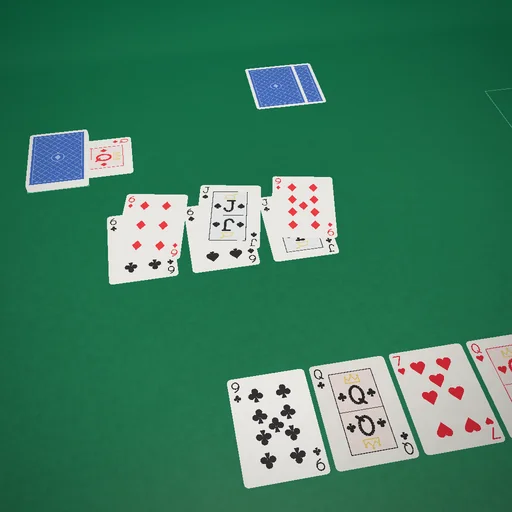
Durak with a deck of 36 cards, for two to four players: the attacker leads a card, the defender covers it with a higher card of the same suit or with a trump - or picks everything up - and the attackers throw in cards of the ranks on the table. The hands are filled from the deck after every bout, and whoever is left with cards at the end is the fool. Play the throw-in game or the passing game, where an attack can be handed on with a card of the same rank. The computer plays the other hands at five levels and sees only what a player sees; the strongest play the game out in their heads over many deals of the cards they have not seen. Or watch a demo game with open hands.
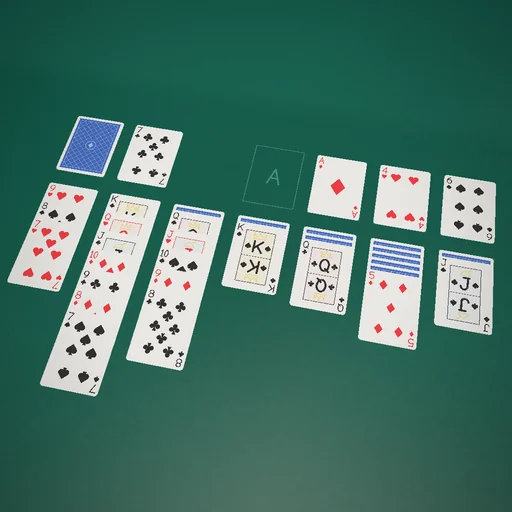
Three patience games on one table. Klondike: seven columns built down in alternating colours, a stock turned one or three cards at a time, and four foundations to build up by suit from the ace. Spider: two packs in ten columns, built down whatever the suit, though only cards of one suit move together; a run from king to ace leaves the table, and eight of them win - with one, two or four suits. FreeCell: every card in the open, four cells to park a card in, and nearly every deal can be won. Click a card and it goes where it can; if it has a choice, click the place. Take moves back, ask for a hint - in FreeCell it comes from a solver that plays the deal to the end - or watch the computer play.
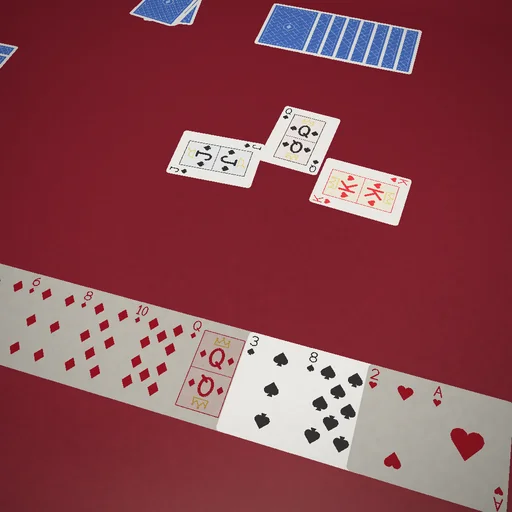
Hearts for four players: pass three cards, then play thirteen tricks, following suit when you can. Every heart you take costs a point and the queen of spades thirteen - unless you take all twenty-six, and then the others pay. Hearts cannot be led until one has been thrown, and the two of clubs opens every hand. The game runs to 50 or 100 points and the lowest score wins. The computer plays the other three hands at five levels and sees only what a player sees; the strongest play each hand out in their heads over many deals of the cards they have not seen. Or watch a demo game with open hands.
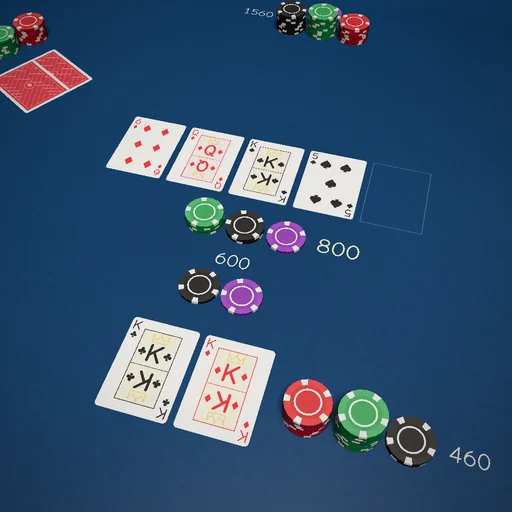
No-limit Texas hold'em as a tournament at one table, for two to six players. Everybody starts with 1500 in chips. Two cards each and a round of betting; then three cards on the board, a fourth and a fifth, with a round of betting after each - fold, check, call, bet or raise any amount up to all you have. The best five cards of seven win the pot; a player who is all-in can win from each of the others no more than he put in himself, and the rest goes to side pots. The blinds rise every eight hands, and the last player with chips wins. The computer plays the other seats at five levels and sees only what a player sees; the stronger ones count their chances over hundreds of random deals, take a raise for what it tells, bluff, and remember how each player has played. Or watch a demo game with open cards.
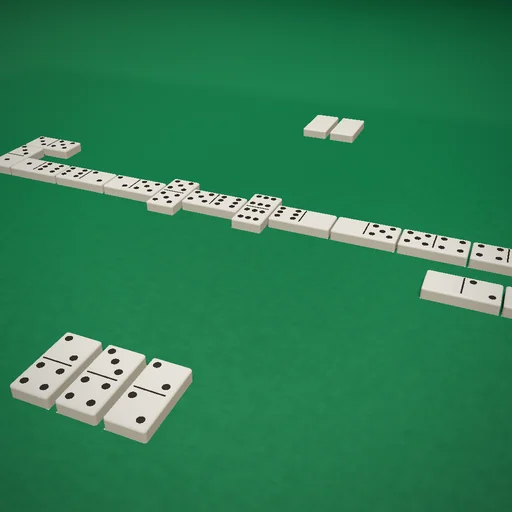
Draw dominoes with the double-six set on a cloth table, for two to four players: lay your bones end to end so that the numbers match, and be the first to empty your hand. A player who cannot follow draws from the boneyard; when nobody can move, the lightest hand takes the round. The winner scores the pips left in the other hands, and the rounds go on to 50, 100 or 150 points. The line turns the corners of the table by itself. Play the computer at five levels - the strongest plays the round out in its head over many deals of the bones it cannot see - or watch a demo game.
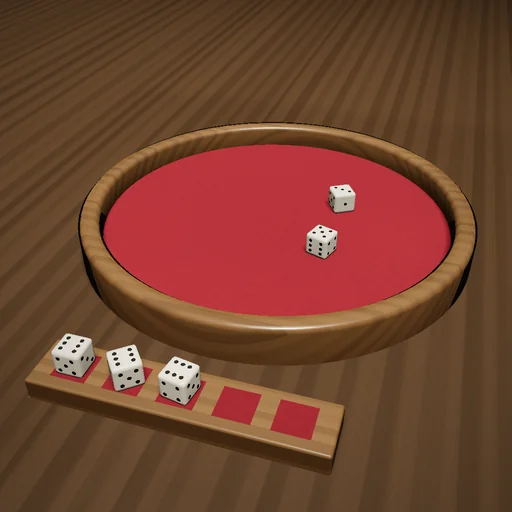
Dice poker with five dice and a score card of thirteen boxes: roll up to three times a turn, setting aside the dice you keep, then write the throw into one free box - the numbers from one to six, three and four of a kind, a full house, the small and the large straight, five of a kind, or chance. 63 points in the upper half bring a bonus of 35. The dice tumble in a tray; click one to keep it or take it back. Play alone for a high score, against the computer at five levels - it works out each turn from the chances of the dice - with friends at one screen, or watch a demo game.
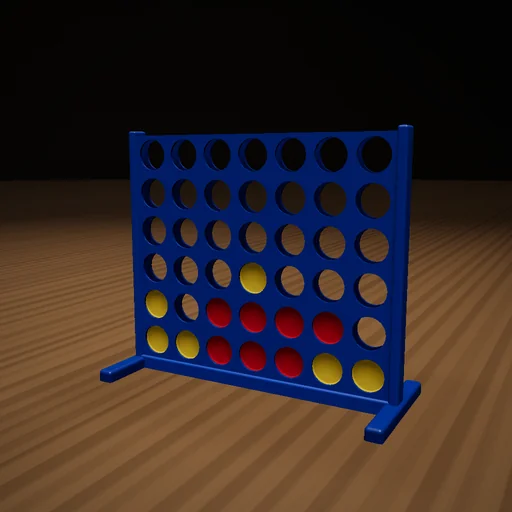
Four in a row in an upright rack: drop red and yellow discs into the columns in turn, and line up four of your own - across, up or diagonally - before the other side does. Play in the classic 7 by 6 rack or a wider 8 by 7. The discs fall and rattle into place; the winning four lights up. Play the computer at five levels - the strongest reads the endgame out to the last disc - play a friend at one screen, ask for a hint, take moves back, or watch a demo game.
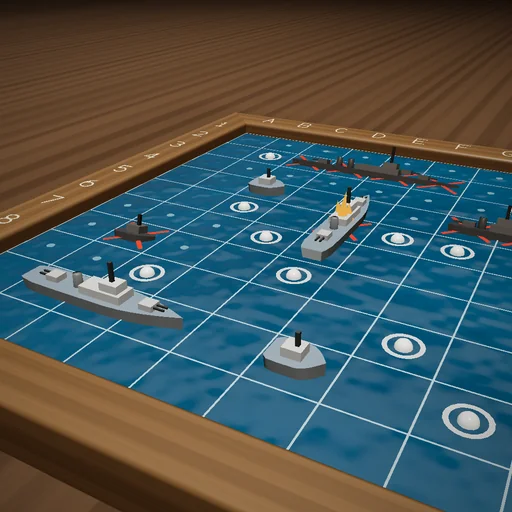
Sea battle on two grids of ten by ten: lay out your fleet, then trade shots with the computer - a miss raises a column of water, a hit sets the ship on fire, and a ship with every square hit goes down. Play with the fleet of ten ships, from a four-square battleship down to single boats, which may not touch and where a hit earns another shot; or with the five-ship fleet led by a carrier, shot for shot. Move and turn your ships before the battle or shuffle them, ask for a hint, play the computer at five levels or watch a demo game.
Some modules belong to more than one Suite. Shared experiments have one description here.