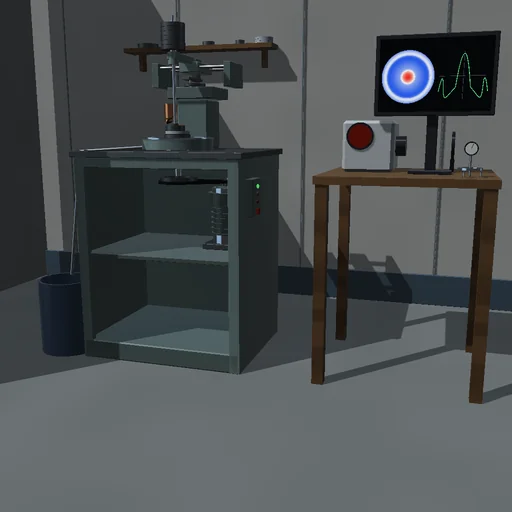
Grind the concave face of a 100 mm lens blank on an overarm machine: the tool rides on the turning blank, the arm strokes it across, and the glass comes off where the pressure and the sliding are greatest until the machine stops at the job's sagitta. Change the stroke, its offset, the tool and the load to deepen or flatten the curve, then fine grind and polish and watch the figure error and the fringes on the test bench.
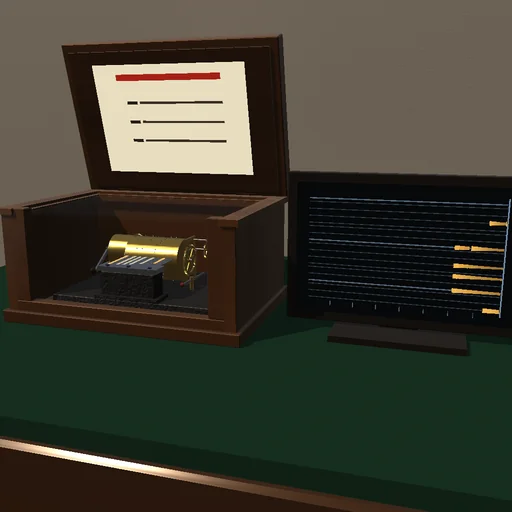
Wind the spring and watch the pinned cylinder pluck the steel teeth of the comb while the air-brake fly holds the tempo; the screen beside the box writes every note at the pitch it sounds. Make the fly's vanes smaller to play faster, let the spring run down until the box stops in a chord, damp the teeth, or shorten one tooth and see its note leave its row.
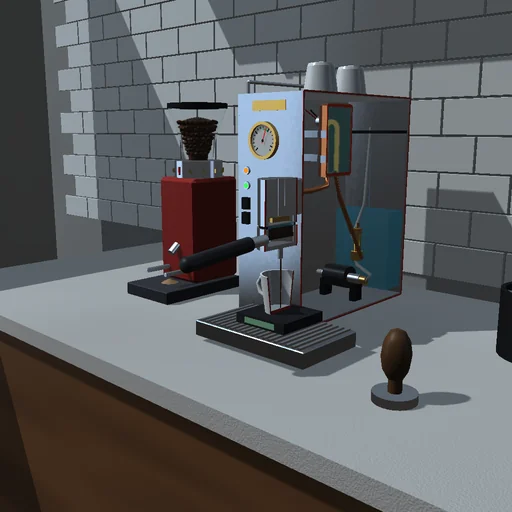
Pull a shot on a single-boiler espresso machine cut in half and watch the pressure build, the wetting front run down the puck and the coffee fill the cup. Grind finer or coarser, change the dose, the boiler's setpoint, the relief valve and the pump's ramp, start from a cold machine, or fit the blind basket and see the relief valve hold the pressure.
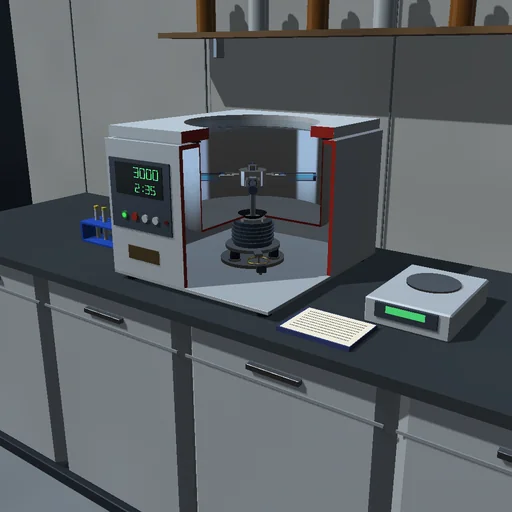
Spin two tubes of large and small beads and stop the run when the large ones are down while most of the small ones stay in suspension; compare short and long runs, speeds and a thicker liquid. Then fill a balance tube short and watch the rotor whirl through its critical speed: on a slow ramp the imbalance switch trips, on a fast one the rotor gets through, and with the brake off it shakes again as it coasts down.
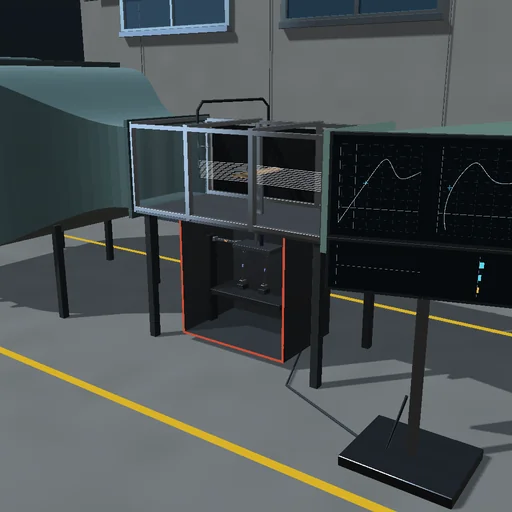
Sweep the wing through the stall and read its lift, drag and moment off the strain-gauge balance under the floor, then compare the measured polar with the true one. Calibrate the balance with one weight per channel or with fifteen combined loads, lean its lift links, add noise and shorten the averaging, and see what the cross-talk, the noise and the warming zeros do to the drag.
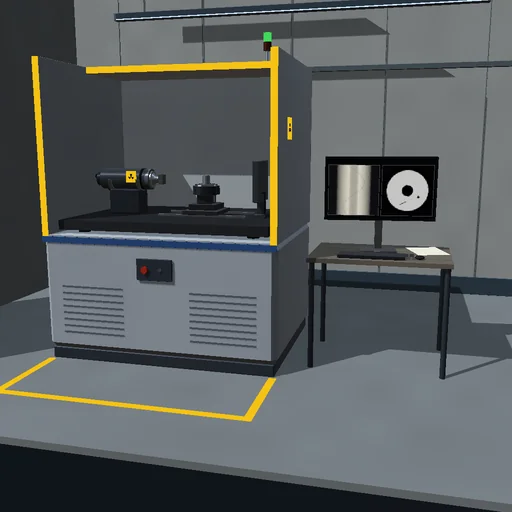
Scan a cast aluminium part view by view and watch its slice build up on the monitor from the X-ray projections, then find the hidden pore and measure it. Lower the dose, cut the number of views, turn on the full spectrum and move the turntable's axis off the beam to see noise, streaks, cupping and doubled edges, and tell the reconstruction the axis offset to rebuild a sharp image.
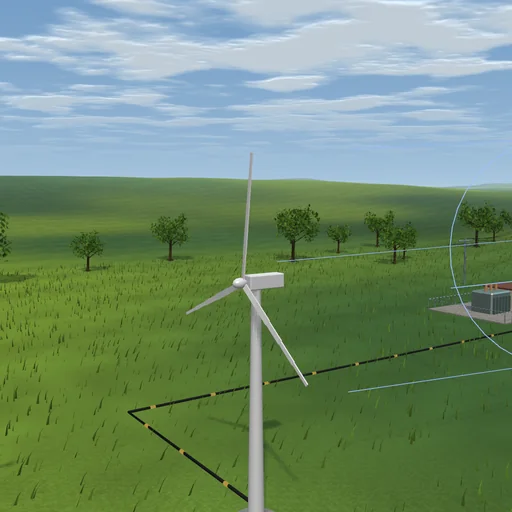
Three turbines stand in a row in the wind, and each one behind sits in the wake of those in front. Move them apart or aside, turn the wind, and let the front turbine yaw its wake away or pitch its blades to leave more wind for the others: see what the farm gives together.
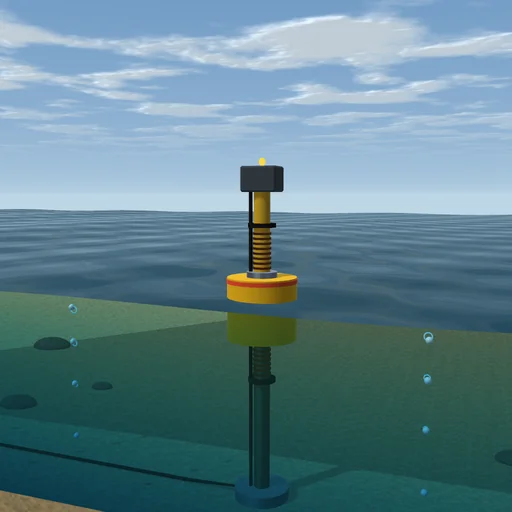
A float heaves on a pile in the waves and its linear generator brakes it. Tune the generator’s damping and the float’s mass to the waves and watch the mean power rise to the limit a heaving float can take, then send an irregular sea.
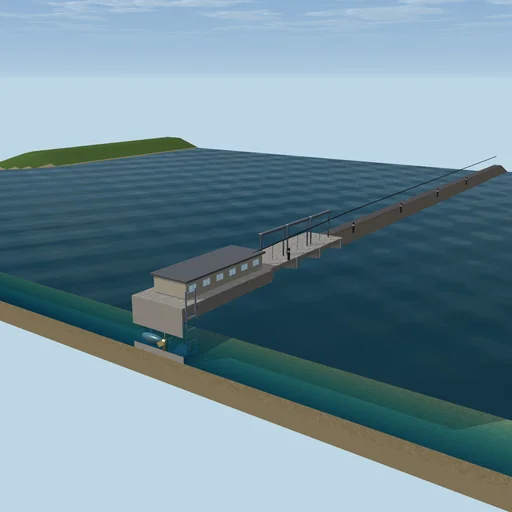
Hold the tide back behind the lagoon’s wall, then let it through the turbines. Generate on the ebb or both ways, choose the head to start at, or work the sluices and the turbines yourself, and compare the energy each tide gives.
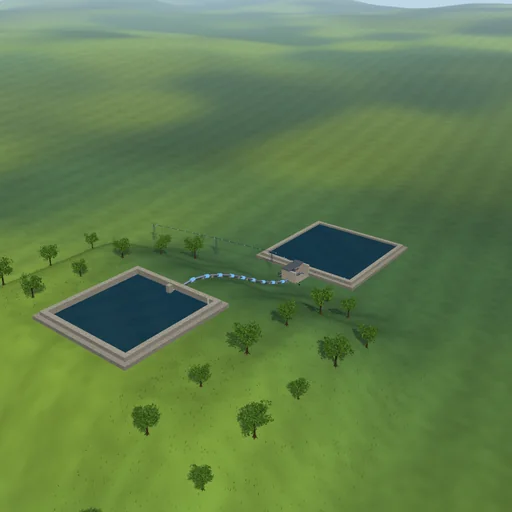
Pump water up the mountain at night and run it back through the turbine by day. Watch the levels and the head, and find what the round trip returns: the penstock’s friction and the machines’ efficiencies take their share both ways, more at a larger flow.
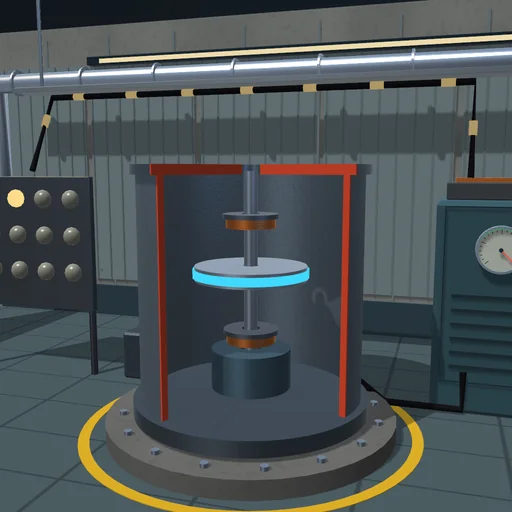
Cover a load’s power pulses that the grid connection alone cannot: the flywheel gives energy as it slows and takes it back as it speeds up. Compare the rotors, let the vessel fill with air and watch it coast down.
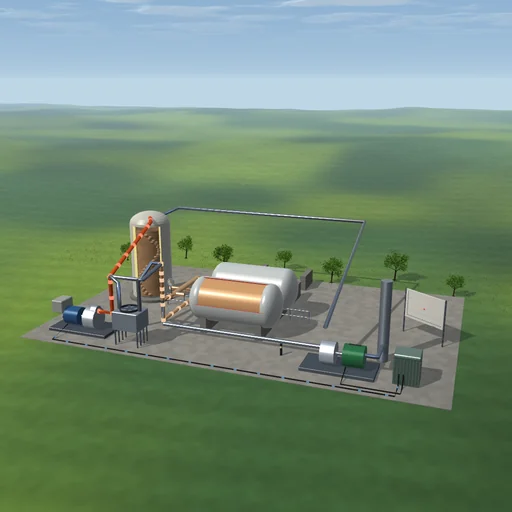
Charge the vessels with a compressor and run the air back out through an expander. Throw the heat of compression away in a cooler, keep it in a rock store or leave it in the air, hold the charge for hours, and compare what each cycle returns.
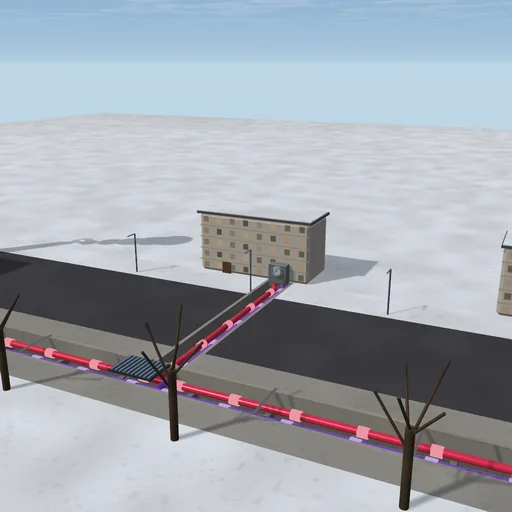
Heat three blocks of flats from one boiler through the street’s mains. The far block gets the least water and the coolest; throttle the near block, raise the supply temperature or let thermostats balance the network, and watch what the pipes lose on a frosty day.
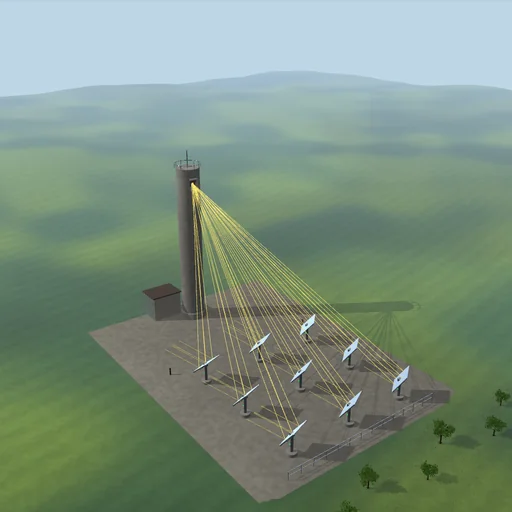
Nine mirrors follow the sun across the sky and send its light onto the receiver at the top of the tower. Watch the receiver heat to a glow, spread the aim or shrink the receiver to see how much spills, send a cloud across the field and compare the seasons.
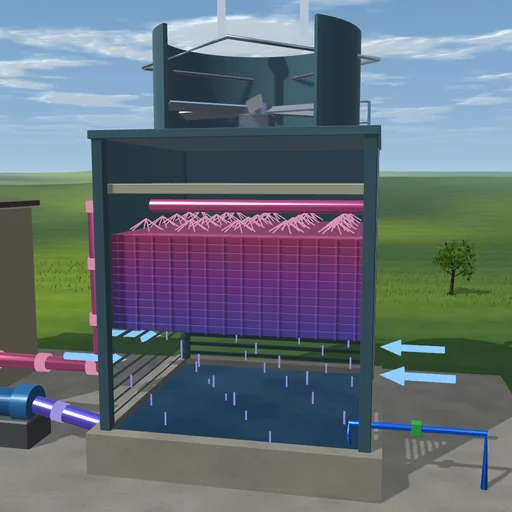
Cool a plant’s condenser water by letting it rain through the fill against the air the fan draws up. Change the heat load, the fan and the weather: the water never gets colder than the air’s wet bulb, and on a cold, humid day a plume of fog rises from the stack.
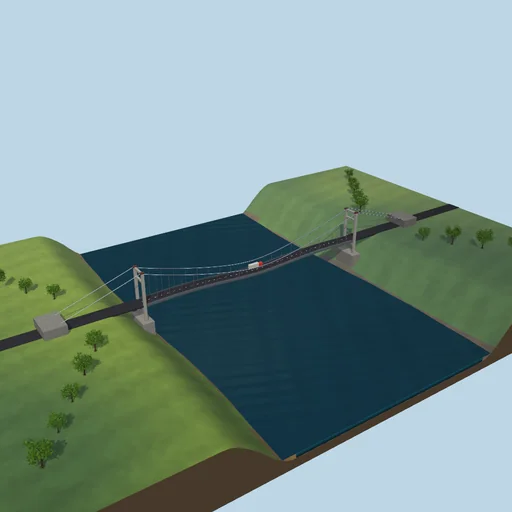
Park a lorry on the deck or drive it across, and watch the deck bend and the cables move, forty times enlarged. Read the hangers’ colours: which pull harder, which slacken. Cut a hanger, shorten the cables or lighten the deck, and see the bridge sway after a fast crossing.
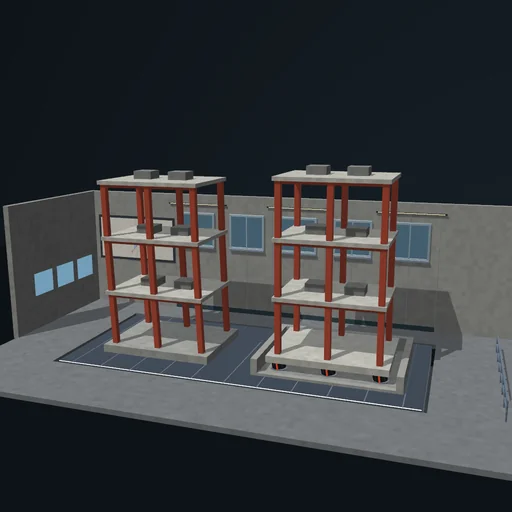
Shake two identical buildings on one table: one stands on its foundation, the other on lead-rubber bearings. Compare how hard their roofs are thrown, change the bearings' period and damping, and send a long pulse that drives the base into its moat.
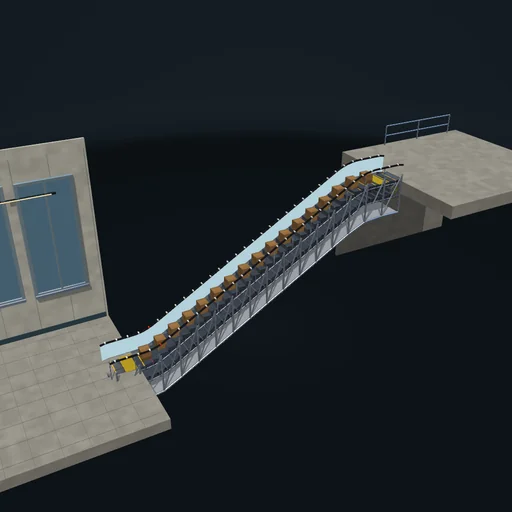
Follow the steps round the whole hidden loop: level up the incline, turning over the sprockets, upside down on the way back. Load the steps, run up or down, slacken the handrail or change its ratio, and stop the loaded band to see how far it slides.
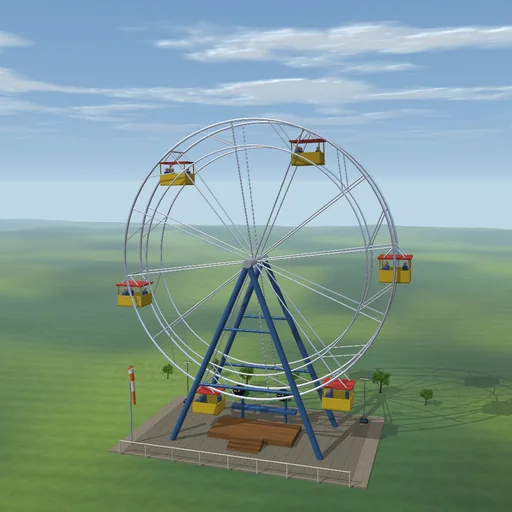
Seat the riders, start the wheel and turn it once round. Load one side, weaken the drive, let the wind blow or stop it hard, and watch the gondolas swing on their pins while the drive works against the uneven weight.
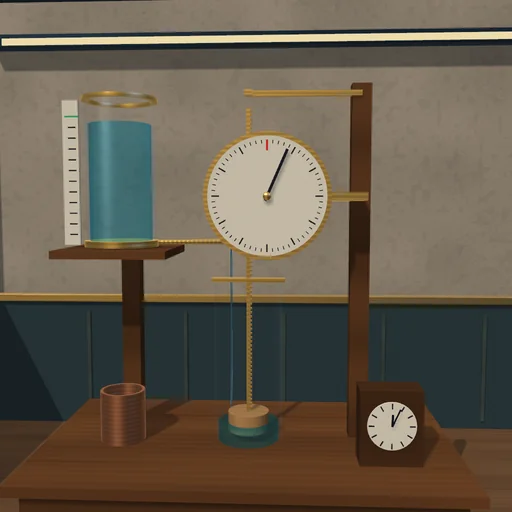
Let water run out of a vessel through a small hole and measure time by the float rising in the receiver. Compare a cylinder, a cone and the profiled vessel, keep the head constant with an overflow tank, and calibrate the scale to see the clock read true.
Some modules belong to more than one Suite. Shared experiments have one description here.