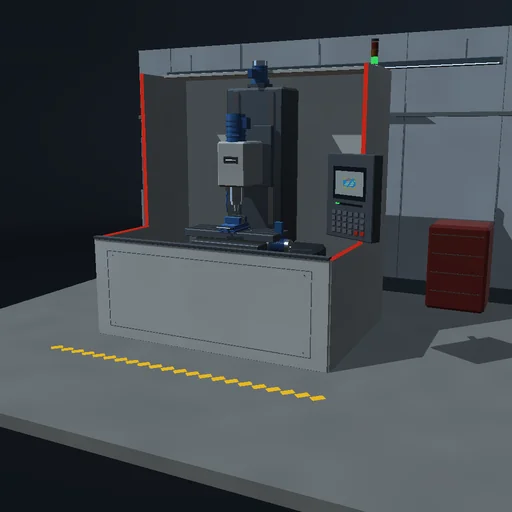
Mill a pocket into an aluminium block: the end mill slots down the middle and then runs loops out to the walls, driven by servo axes and a spindle of limited power. Compare a shallow and a deep pass, watch the engagement and the force jump in the corners, and lower the spindle's power until it slows or stalls, then switch on the adaptive feed.
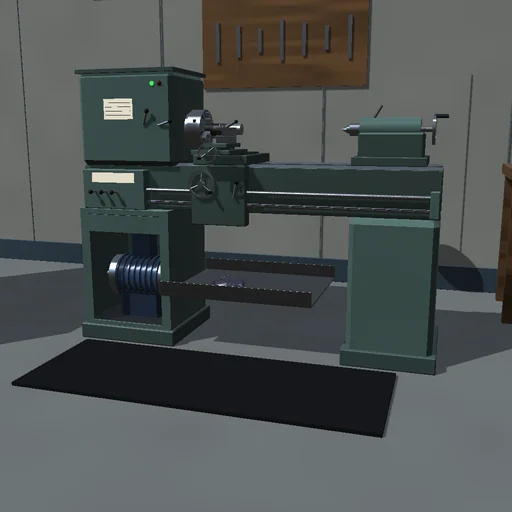
Turn a stepped shaft from a 60 mm steel bar on an engine lathe: the carriage feeds the tool along the turning bar pass after pass while the spindle slows under each cut. Change the feed, the depth and the nose radius to compare roughness, power and time, and take a deep pass at high speed to stall the motor.
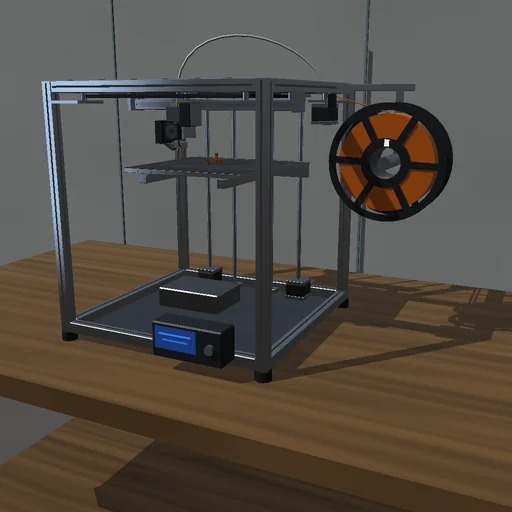
Print two pillars joined by a bridge and a thin tower beside them, and watch the melt laid road by road, the free strands sag until they stiffen and the tower's top stay soft. Change the flow and the speed to see the bead swell or thin, switch the fan off or widen the span to make the bridge droop, and set a minimum layer time to let the tower cool.
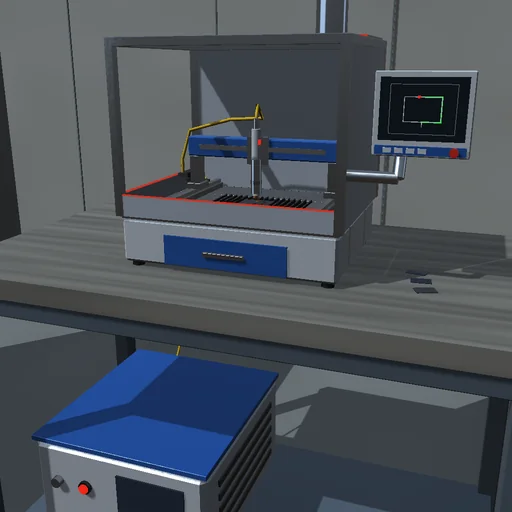
Cut a part out of a steel sheet with a laser: the beam melts the steel through, the gas blows the melt out of the kerf and the head follows the contour. Raise the feed until the cut stalls, make the head dwell at the corners, try a second pass, and watch where the beam's energy goes.
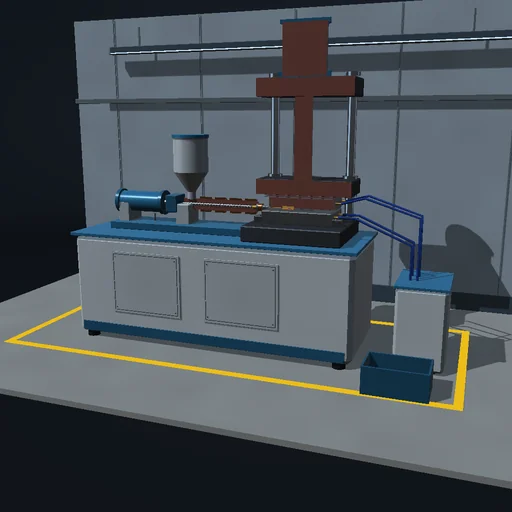
Inject molten plastic into the mold of a ruler and watch the two flow fronts run from the gate while a frozen skin grows from the cold steel. Move the gate, cool the mold, lower the pressure limit or slow the screw until the gate freezes shut and leaves a short shot, then hold, cool and eject the part.
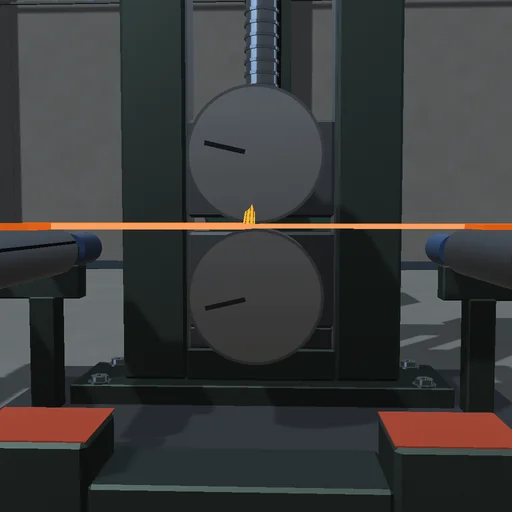
Roll a hot steel slab between two work rolls and watch the force, the torque and the stand's spring set the thickness that comes out. Close the gap until the drive stalls or the rolls refuse the slab, lubricate the rolls, cool the slab, and compare one heavy pass with two light ones.
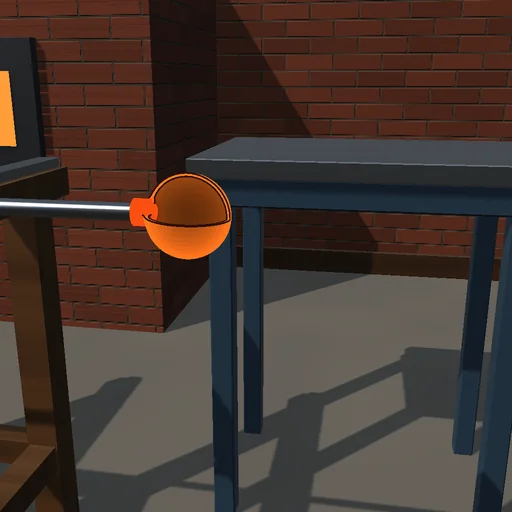
Blow a gather of hot glass on a pipe into a bubble while it cools: set the pressure, keep the pipe turning and carry it into the glory hole to reheat. Compare a cold and a hot gather, stop turning to watch the bubble droop, and blow a gather with a thin end with and without the cooling jet.
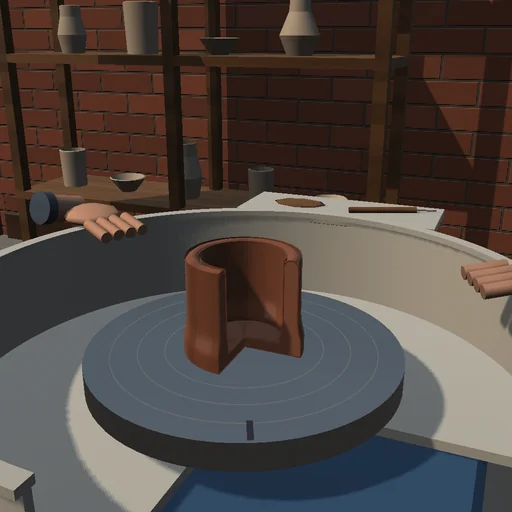
Pull the wall of an opened lump of clay up into a tall cylinder, pull after pull, watching the wall thin and the wheel slow under the hands. Use more water to see the soaked wall twist off, open a bowl and speed the wheel up to fling its rim, and try a softer clay or dry hands.
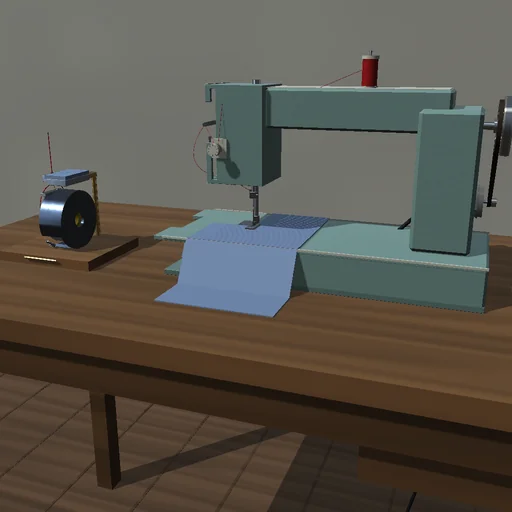
Sew a lockstitch seam in slow motion: the needle carries the thread down, the rotary hook catches its loop under the plate, and the take-up lever pulls the stitch tight while the feed dog moves the cloth. Retime the hook to miss stitches, unbalance the tensions to pull the lock to one face, compare short and long stitches, and press the pedal lightly on thick denim until the motor stalls.
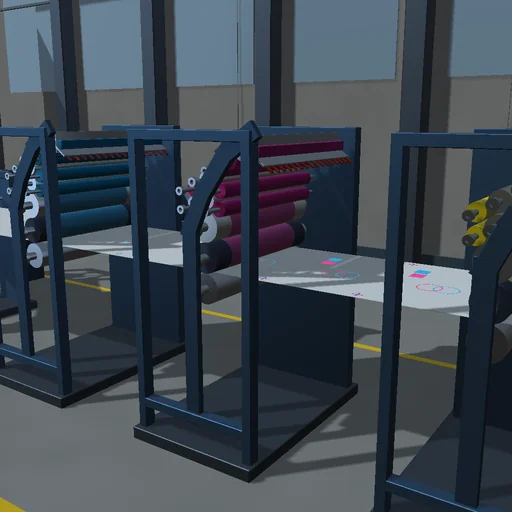
Run the paper web through three printing units and bring magenta and yellow onto cyan with the phase trims. Then change the web tension, ramp the press up faster, open the magenta ink key, switch to heavy paper or splice a new reel, and watch the colours drift with the paper's stretch and settle again.
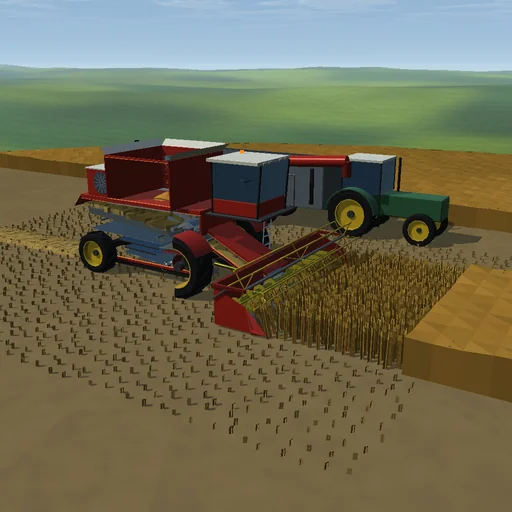
Harvest a strip of wheat and follow the crop from the header through the drum, the straw walkers and the sieves into the grain tank while every loss is counted. Drive faster in a heavy crop until the walkers lose grain and the drum chokes, set the drum, the concave gap and the fan, and unload before the tank spills.
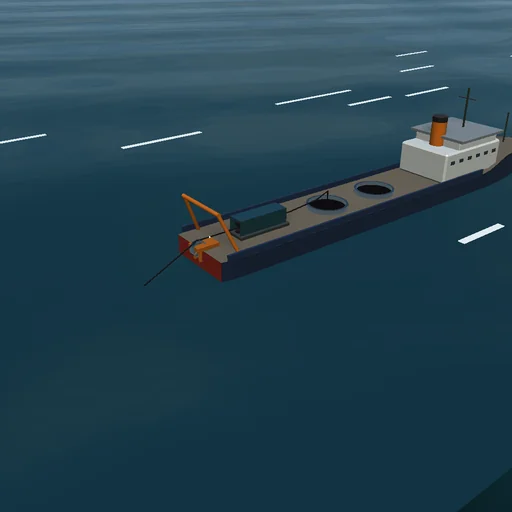
Pay a subsea cable out over the stern of a cable ship and match the payout to the ship's speed, watching the tension, the angle of descent and where the cable touches the seabed. Speed the ship up or stop it, hold the cable back by tension instead of speed, change to a heavy power cable, and open a trench across the route to see the cable span it or lie on its floor.
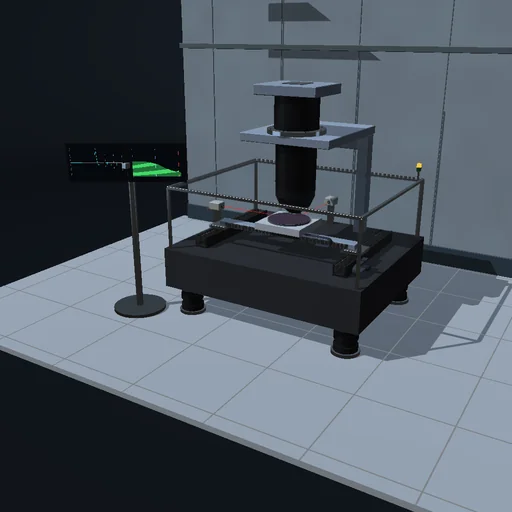
Step a 300 mm wafer under the lens field by field and watch the nanometre error settle on the console before each exposure. Compare the trapezoid with the S-curve, switch off the feedforward, soften the flexure until the loop rings and lower the bandwidth, load a heavier table and tune the controller to it, and shake the floor.
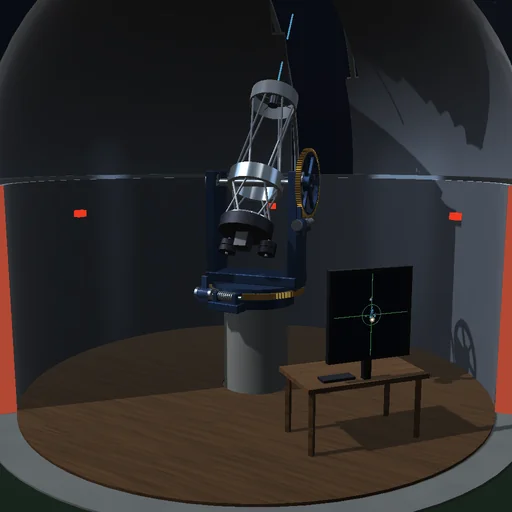
Slew the alt-azimuth telescope to a star and keep its image on the camera's crosshair as the sky turns, while the worms' backlash, their periodic error and the wind push it away. Let a star pass near the zenith to see the azimuth drive run out of speed, carry a star across the meridian with the encoder on the motor, and raise the loop's bandwidth against the gusts.
Grind the concave face of a 100 mm lens blank on an overarm machine: the tool rides on the turning blank, the arm strokes it across, and the glass comes off where the pressure and the sliding are greatest until the machine stops at the job's sagitta. Change the stroke, its offset, the tool and the load to deepen or flatten the curve, then fine grind and polish and watch the figure error and the fringes on the test bench.
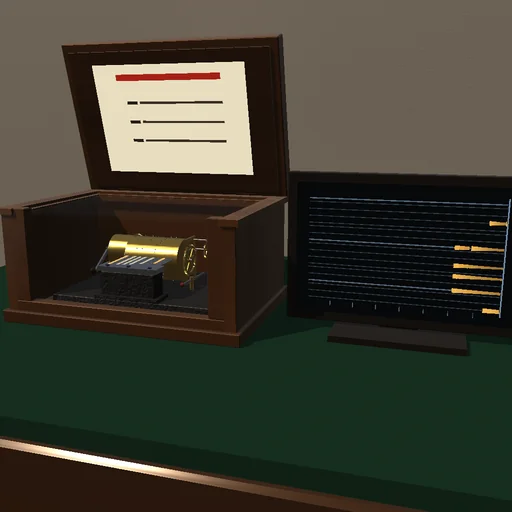
Wind the spring and watch the pinned cylinder pluck the steel teeth of the comb while the air-brake fly holds the tempo; the screen beside the box writes every note at the pitch it sounds. Make the fly's vanes smaller to play faster, let the spring run down until the box stops in a chord, damp the teeth, or shorten one tooth and see its note leave its row.
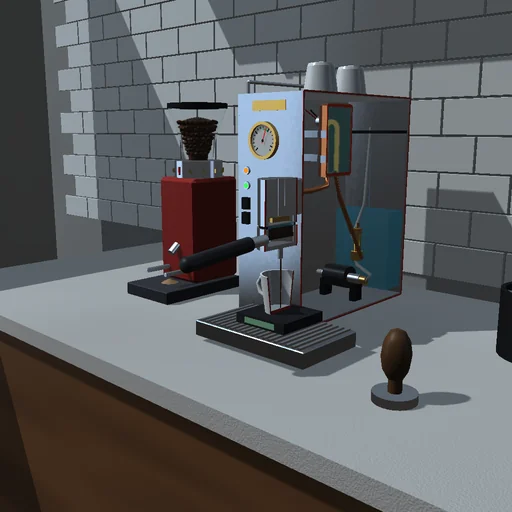
Pull a shot on a single-boiler espresso machine cut in half and watch the pressure build, the wetting front run down the puck and the coffee fill the cup. Grind finer or coarser, change the dose, the boiler's setpoint, the relief valve and the pump's ramp, start from a cold machine, or fit the blind basket and see the relief valve hold the pressure.
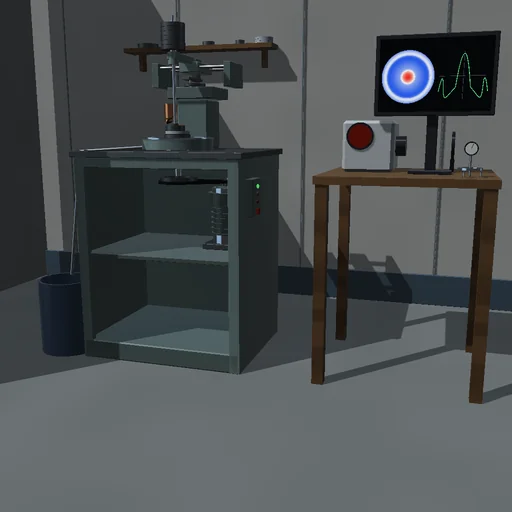
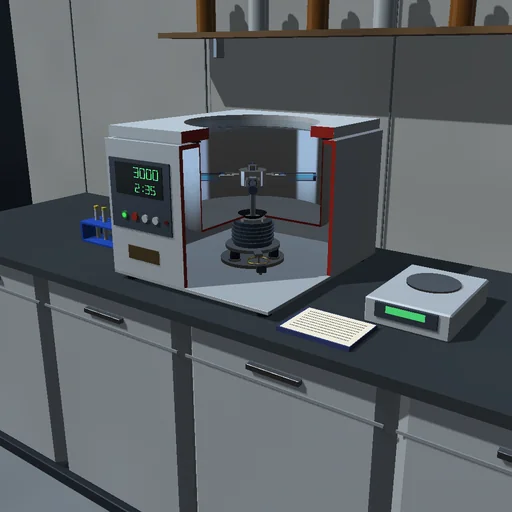
Spin two tubes of large and small beads and stop the run when the large ones are down while most of the small ones stay in suspension; compare short and long runs, speeds and a thicker liquid. Then fill a balance tube short and watch the rotor whirl through its critical speed: on a slow ramp the imbalance switch trips, on a fast one the rotor gets through, and with the brake off it shakes again as it coasts down.
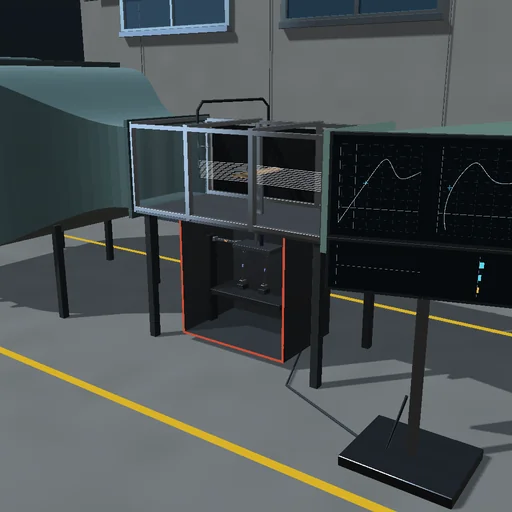
Sweep the wing through the stall and read its lift, drag and moment off the strain-gauge balance under the floor, then compare the measured polar with the true one. Calibrate the balance with one weight per channel or with fifteen combined loads, lean its lift links, add noise and shorten the averaging, and see what the cross-talk, the noise and the warming zeros do to the drag.
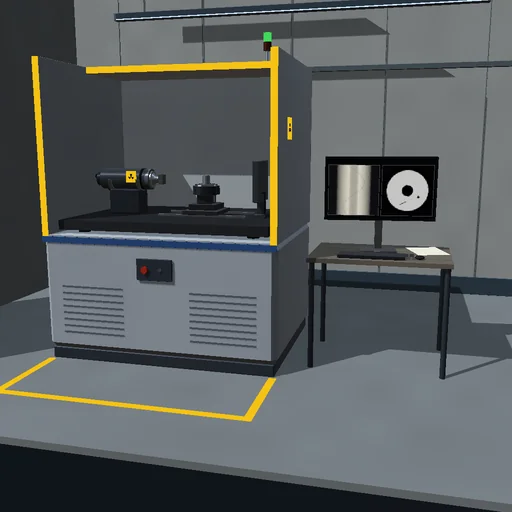
Scan a cast aluminium part view by view and watch its slice build up on the monitor from the X-ray projections, then find the hidden pore and measure it. Lower the dose, cut the number of views, turn on the full spectrum and move the turntable's axis off the beam to see noise, streaks, cupping and doubled edges, and tell the reconstruction the axis offset to rebuild a sharp image.
Some modules belong to more than one Suite. Shared experiments have one description here.